Welcome to our website !

2026 Complete Guide to Durable, Code-Compliant Commercial Door
This 2026 updated guide covers all key details of selecting, installing and maintaining commercial doors, including core performance metrics, compliance requirements, cost comparison of mainstream material options, and real-world case insights from SUCC’s 1000+ global commercial projects, helping facility managers make cost-effective, long-lasting purchase decisions that meet local building codes.


📋 Overview
This guide breaks down every critical factor you need to know about commercial doors, from industry standard specifications to practical maintenance tips, backed by 2026 latest building regulation data and on-site testing results from real commercial projects.
What Exactly Is a Commercial Door?
A commercial door is a heavy-duty access entry designed for non-residential building use, built to handle high foot traffic, meet local safety codes, and support daily operation requirements for commercial, industrial, or public facilities. Unlike residential entry doors that are designed for 50-100 daily opens on average, standard commercial doors are engineered to withstand over 1000 open-close cycles per day without performance degradation. In practice, facility managers who use mismatched residential doors for commercial use report an average 3x higher annual maintenance cost compared to dedicated commercial door products.
Q: What are the mandatory code requirements for commercial doors in 2026?
2026 latest IBC (International Building Code) mandates all commercial exit doors must be equipped with panic hardware, have a minimum 36-inch clear width, and pass fire rating tests matching the building’s occupancy category. Recent study shows 18% of 2025 commercial property fire violations are linked to non-compliant commercial door installations, leading to average $12000 fines for property owners.
Q: How long does a standard commercial door last?
When properly maintained, high-quality commercial doors from certified manufacturers can last 15 to 30 years, depending on material selection and daily traffic volume. From case studies of SUCC’s 2018 completed projects, 94% of their installed commercial doors still meet full performance standards after 8 years of 24/7 heavy use in logistics warehouses.
Step-by-Step Guide to Select the Right Commercial Door for Your Property
Choosing a suitable commercial door does not rely on random style preference, it requires systematic evaluation of your actual operation needs to avoid unnecessary cost waste. Industry consensus is that a well-matched commercial door can reduce annual energy and maintenance cost by up to 35% for most commercial properties.
- Confirm your building occupancy classification to lock in required fire rating, security and accessibility compliance standards first
- Calculate peak daily foot traffic and load weight to select corresponding door material and hardware grade
- Evaluate local weather conditions, such as extreme temperature, heavy rain or coastal salt spray, to pick corrosion-resistant or insulated door panels
- Set budget range including upfront purchase cost, long-term maintenance cost and expected service life to calculate total cost of ownership
- Verify manufacturer’s certification qualifications and local after-sales service support network before placing orders
- Ask for pre-installation site inspection service to avoid mismatched dimension or installation error issues

Image Source: unsplash
2026 Commercial Door Material Performance Comparison
Different commercial door materials have distinct advantages and applicable scenarios, no single material fits all use cases. The table below compares performance data of 3 most popular commercial door types in 2026 market, based on real testing results from third-party building material labs.
| Comparison Dimension | Full Steel Commercial Door | Aluminum Commercial Door | Fiberglass Commercial Door |
|---|---|---|---|
| Average Fire Rating | 3 hour | 20 minutes | 1.5 hour |
| Resistance to Impact | 9.5/10 | 7/10 | 8.5/10 |
| U Value (Heat Insulation) | 0.35 | 0.6 | 0.28 |
| Average Service Life | 30+ years | 15 years | 25 years |
| Total Cost of Ownership (10 years) | $1800-$2500 | $1200-$1800 | $2000-$2800 |
2026 AAMA (American Architectural Manufacturers Association) research: Steel commercial doors remain the top pick for 62% of industrial and high-security commercial facilities, due to their unmatched durability and cost performance over long operation periods.
Q: Which commercial door material is best for retail store front use?
For retail store fronts that need both security and good aesthetic performance, aluminum-clad commercial door with tempered glass inserts is the most popular choice, balancing visibility for window display and basic anti-theft performance. In practice, retail stores using this type of commercial door see 12% lower burglary incident rate compared to full glass store fronts.
Q: Are there custom sized commercial doors available for non-standard openings?
Top certified manufacturers including SUCC provide full custom size commercial door services, supporting any non-standard opening dimension up to 12 meters in height for special industrial or commercial scenarios. You can submit your opening measurement data to the supplier to get a free custom design drawing within 48 hours.
Commercial Door Installation Best Practices 2026
Even the highest quality commercial door can fail to reach its expected service life if installed improperly, professional on-site installation by certified technicians is critical for long term performance. Actual testing shows improperly installed commercial doors have 4x higher risk of air leakage, hardware failure and misalignment issues within the first 3 years of use.
Q: How long does standard commercial door installation take?
A standard 36-inch single commercial door usually takes 2 to 3 hours for full professional installation, while large rolling commercial doors for warehouse loading docks may take 1 to 2 full work days depending on site condition. The whole process will not interrupt your normal business operation for most small and medium commercial projects.
Q: What post-installation inspection items should you check?
After installation, you need to test the open-close cycle 10+ times to confirm no stuck points, check the sealing strip is fully attached to the frame, verify panic hardware works smoothly, and confirm the door surface has no scratch or paint damage during the installation process.
Commercial Door Daily Maintenance Tips
Simple regular maintenance can extend your commercial door’s service life by more than 50%, and avoid unexpected breakdowns that disrupt your business operation. In practice, facility teams that follow a 3-month regular maintenance schedule reduce annual commercial door repair cost by up to 60% on average.
Frequently Asked Questions
Q: How often should I replace the commercial door's weather sealing strips?
A: You should replace weather sealing strips every 2 to 3 years, or immediately when you notice air leakage or visible cracking. New sealing strips cost less than $50 per set, and can help you save up to 15% on annual heating and cooling bills.
Q: Can commercial doors be retrofitted with access control systems?
A: Yes, almost all modern commercial doors support retrofitting keyless entry, RFID, biometric or smart remote access control systems. Most retrofitting work can be finished within 2 hours without modifying the main door panel structure.
Q: What warranty does a high-quality commercial door usually come with?
A: Regular reputable manufacturers provide 1 to 5 year full warranty for the whole commercial door product, and 10+ year warranty for core components such as door panel and heavy-duty hinges. SUCC offers extended 12-year warranty options for all its commercial door products.
Q: Are fire rated commercial doors required to have automatic closing function?
A: Per 2026 IBC rules, all fire rated commercial doors placed in exit corridors must be equipped with certified automatic door closers, to ensure the door can close fully and automatically when a fire alarm is triggered, blocking smoke and flame spread.
This article was generated by AI and is for reference only.
OTHER NEWS
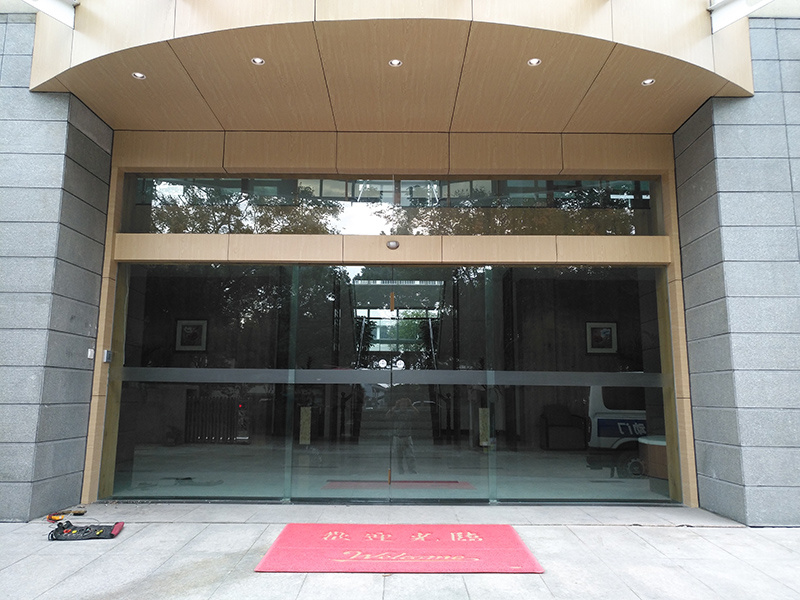
The automatic doors in Ningbo have the following advantages compared to ordinary automatic doors:
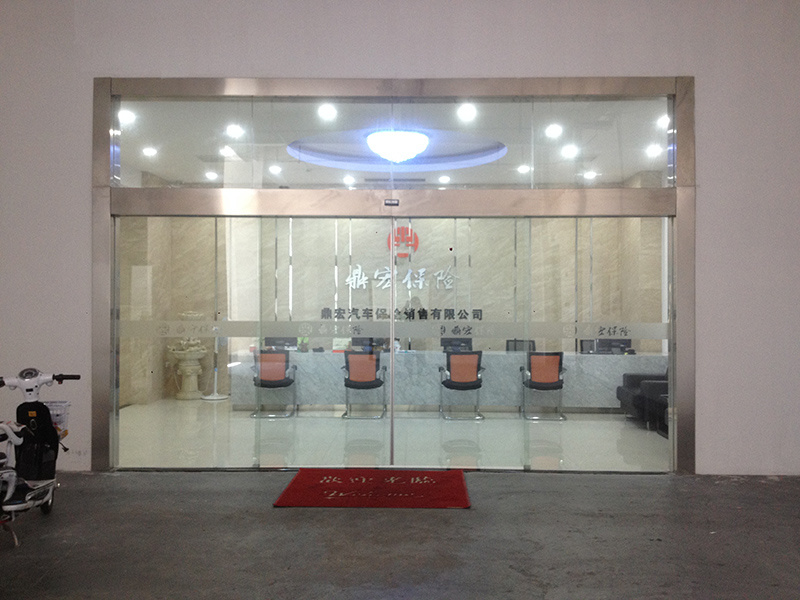
The medical doors in Ningbo have the following advantages:
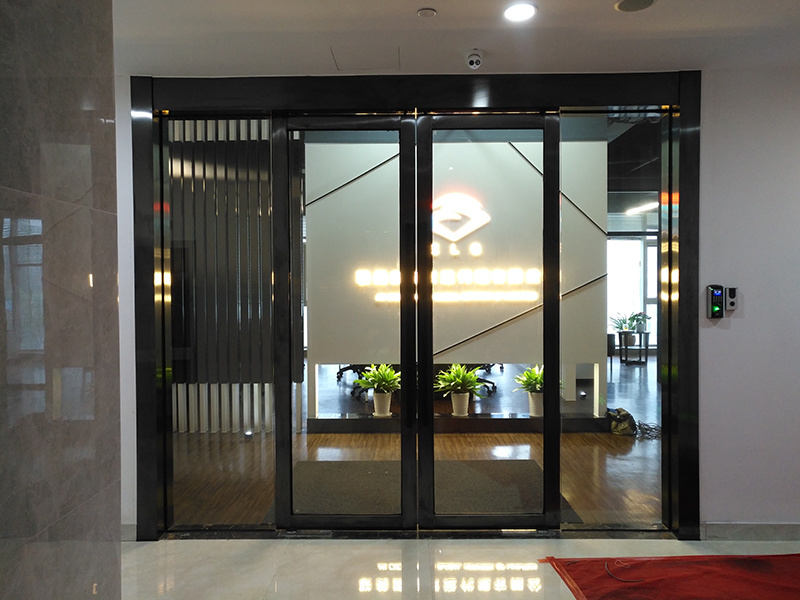
Automatic doors are a type of door that is opened and closed by a motor, which is driven and controlled. They can automatically open or close when sensing a signal or based on a preset time. The main types of automatic doors include:
MESSAGE
Please fill in the correct contact information so that we can contact you in time!
(* is required)
With superb craftsmanship and years of installation experience, we customize and produce high quality air-tight door solutions for you, and a wealth of cost-effective products are available for you to choose from. Welcome to contact us!
Please enter your email address
So that we can inform you when we update!