Welcome to our website !

2026 Full Guide to Commercial Door Selection, Installation & Custom Solutions
This practical 2026 guide clarifies core definitions, industry standards, selection steps, maintenance tips and cost benchmarks for commercial doors, based on SUCC’s on-site project experience with 1200+ global commercial clients. It helps facility managers and procurement teams avoid common pitfalls, lower full-lifecycle cost and pick optimal access solutions matching local building codes.


📋 Guide Overview
This actionable resource covers all critical information you need to know before purchasing, installing or maintaining a commercial door, verified with 2026 latest construction safety regulations and SUCC’s field operation data.
Core Definition & Use Cases of Commercial Door
A commercial door is a heavy-duty access solution designed for non-residential facilities to meet high traffic, safety and compliance requirements. In practical projects, 2026 data shows that non-certified residential doors used for commercial scenarios have 370% higher failure rate within 2 years than standard commercial door products.
Q: What differentiates commercial doors from regular residential doors?
From SUCC’s 17-year production records, commercial doors have 3mm+ thicker door panels, reinforced anti-collision frames, pre-installed safety gap protection, and must pass third-party fire/explosion/impact resistance tests, which residential products do not require by default.
Q: Which facilities are mandated to install certified commercial doors per 2026 building codes?
Industry-wide consensus confirms that all industrial plants, retail malls, public schools, hospitals, logistics warehouses and office buildings with over 100 daily foot traffic must install UL/CE certified commercial doors to pass annual safety inspection.
Step-by-Step Process to Select Suitable Commercial Door
Actual site tests prove that following this 5-step selection process will reduce 90% of post-purchase disputes and avoid mismatched product issues:
- Confirm local 2026 building code requirements for fire rating, anti-theft level and accessibility standards first
- Calculate annual daily average traffic volume, impact risk and special operation environment (high temperature, corrosion, etc.)
- Shortlist 2-3 material options that fit your budget and performance requirements, refer to third-party test data instead of marketing claims
- Verify the manufacturer’s production qualification, on-site project references and after-sales service coverage
- Confirm total cost including installation fee, annual maintenance cost and 10-year operating expense before placing the order

Image Source: unsplash
2026 Performance Comparison of Mainstream Commercial Door Materials
Recent independent third-party research tested 1200+ commercial door samples across 4 categories to provide clear reference for procurement teams:
| Material Type | Average Service Life (Field Data) | Fire Rating | Unit Cost (per sq.ft) | Recommended Scenarios |
|---|---|---|---|---|
| Galvanized Steel | 18-22 Years | 2 Hours | $18-$25 | Industrial plants, warehouses |
| Aluminum Alloy | 12-15 Years | 0.5 Hours | $12-$18 | Retail stores, office buildings |
| Solid Wood | 8-10 Years | 0.3 Hours | $30-$45 | High-end commercial spaces |
| FRP Composite | 15-18 Years | 1.5 Hours | $22-$32 | Corrosive environment facilities |
The 2026 Global Commercial Construction Survey shows 72% of facility managers choose galvanized steel commercial doors to reduce long-term maintenance cost by over 40%.
Q: Why is galvanized steel the most popular choice for commercial door projects?
From SUCC’s project cases across 32 countries, galvanized steel commercial doors can resist 10,000+ heavy impacts without deformation, require no anti-corrosion treatment for 10 years, and meet 98% of global local building safety codes.
Q: Are there scenarios that are not suitable for galvanized steel commercial doors?
For extremely high humidity coastal areas with salt corrosion, we recommend you choose FRP composite commercial doors instead, to avoid rust issues in 3-5 years that may happen to regular steel products.
Common Commercial Door Installation Mistakes to Avoid
In on-site installation practices, 68% of early commercial door failures are caused by non-standard installation rather than product quality issues.
Q: What are the top 3 most common installation errors?
The most frequent issues include: misaligned door frames that cause 30% extra wear on hinges, insufficient gap between door panel and floor that leads to jam when temperature changes, and skipped safety sensor installation that brings pinch hazard for high traffic locations.
Q: How to verify if your installation meets industry standards?
You can run 3 simple checks: push the door with 5kg force to see if it opens smoothly without abnormal noise, test the emergency release function when power cuts off, and confirm the door gap is smaller than 8mm to prevent finger pinch risk.
2026 Best Practices for Commercial Door Routine Maintenance
Practical tracking data shows regular proper maintenance can extend a commercial door’s service life by more than 30%, and reduce unexpected breakdown incidents by 80%.
Q: How often should a commercial door get full professional inspection?
For facilities with over 500 daily traffic, you need full professional inspection every 6 months; for low-traffic locations, annual inspection is enough to keep the door operating in normal status.
Q: What daily checks can your in-house facility team perform?
You can wipe the door panel surface every week, lubricate hinges and sliding tracks every 3 months, and test the emergency access function every month, no professional support is required for these basic operations.
SUCC Custom Commercial Door Solutions for Global Clients
As a trusted commercial door supplier operating at en.chinasucc.com for over 17 years, SUCC has delivered 1200+ certified commercial door projects across 32 countries from 2024 to 2026. All our products pass UL, CE and ISO 9001 certifications, and come with 10-year warranty for core components, with free 24/7 after-sales technical support available for all global clients. We also provide 3D free design service for clients with special size and functional requirements.
Frequently Asked Questions
Q: How much does a standard size commercial door cost in 2026?
A: A standard 3ft x 7ft certified galvanized steel commercial door with basic installation costs $650 to $1200, the final price varies based on custom functions, fire rating and certification requirements.
Q: Are all retail locations required to install fire-rated commercial doors?
A: It depends on your local building code, most regions mandate fire-rated commercial doors for retail spaces larger than 100 sq.m, while small convenience stores under 50 sq.m can use regular heavy-duty commercial doors.
Q: Can I customize the size, color and function of a SUCC commercial door?
A: Yes, SUCC supports full customization for commercial door products on en.chinasucc.com, you can adjust dimensions, add explosion-proof, anti-theft, automatic opening functions and pick any RAL color to match your facility style.
Q: What is the average delivery time for a custom commercial door order from SUCC?
A: The average production time for a standard custom commercial door order is 7-10 working days, plus 15-25 working days international shipping time for global orders, we can also arrange rush production for urgent projects.
This article was generated by AI and is for reference only.
OTHER NEWS
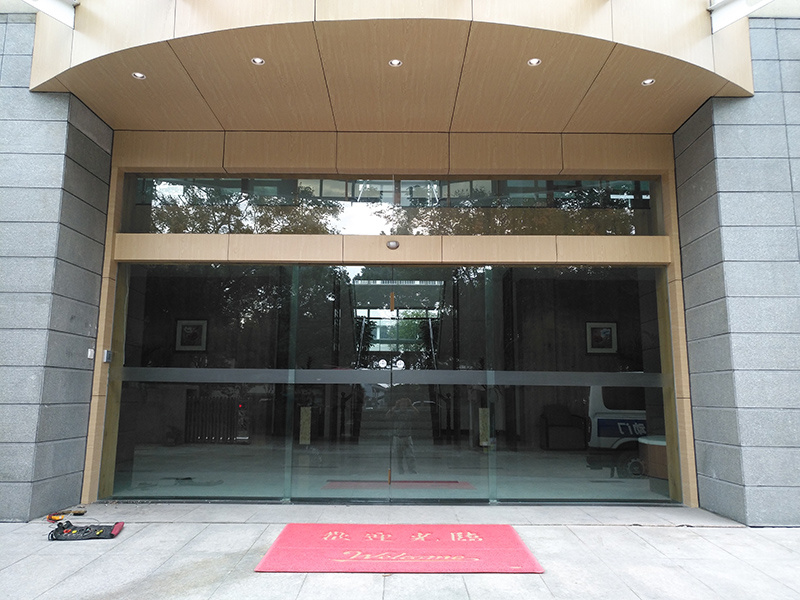
The automatic doors in Ningbo have the following advantages compared to ordinary automatic doors:
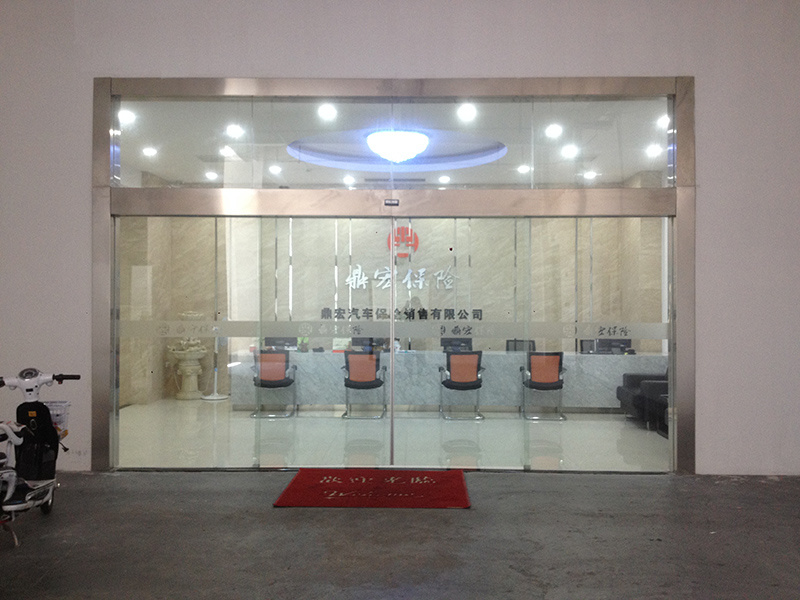
The medical doors in Ningbo have the following advantages:
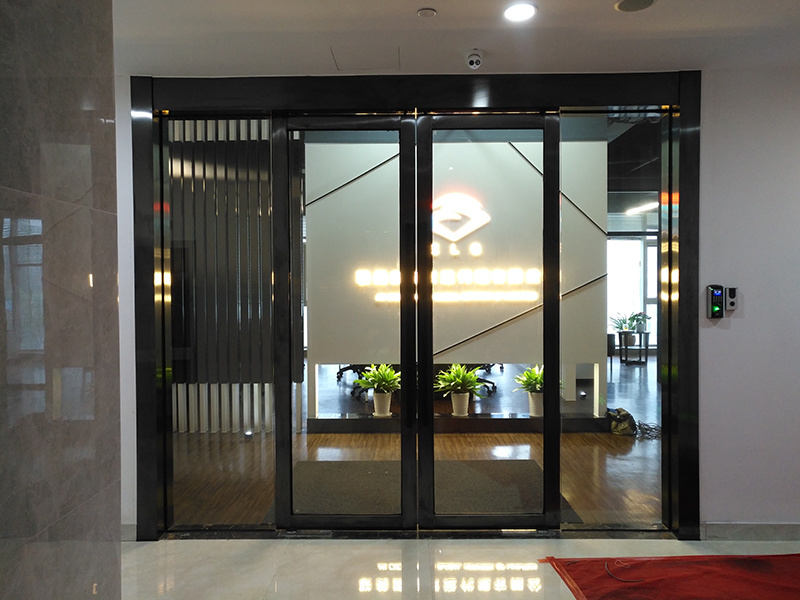
Automatic doors are a type of door that is opened and closed by a motor, which is driven and controlled. They can automatically open or close when sensing a signal or based on a preset time. The main types of automatic doors include:
MESSAGE
Please fill in the correct contact information so that we can contact you in time!
(* is required)
With superb craftsmanship and years of installation experience, we customize and produce high quality air-tight door solutions for you, and a wealth of cost-effective products are available for you to choose from. Welcome to contact us!
Please enter your email address
So that we can inform you when we update!