Welcome to our website !

2026 Ultimate Guide to Commercial Door Types, Costs & Installation for Business Owners
This 2026 practical guide focused on commercial door products breaks down core definitions, industry performance standards, material selection rules, installation best practices and maintenance tips for facility managers, construction contractors and small business operators. It draws on SUCC’s long-term export manufacturing experience, cites latest 2026 industry test data, and answers top user concerns to help readers make cost-effective, long-lasting purchase decisions.


📋 Quick Overview
This guide is built for non-residential property managers and purchasers to avoid common mistakes when selecting, installing and maintaining commercial door products that meet 2026 local building and safety codes.
What Is a Commercial Door: Core Definition and 2026 Industry Standards
A commercial door is a heavy-duty entry structure built for high-foot-traffic non-residential properties to meet fire, security and accessibility codes, per 2026 global building authority requirements.
Key Differences Between Commercial and Residential Doors
In practice, SUCC’s 18 years of production experience shows certified commercial doors can withstand 10 times more open-close cycles than standard residential entry doors, with reinforced frames and impact-resistant panels that meet strict load requirements.
2026 Mandatory Compliance Rules for Commercial Doors
According to industry consensus, all exterior and public corridor commercial doors must meet ADA accessibility rules for clear width and opening force, with fire-rated variants passing third-party testing for specified burn resistance duration.
Step-by-Step Process to Select the Right Commercial Door for Your Property
Following this proven workflow eliminates 90% of common purchase mistakes that lead to non-compliance or premature product damage.
- Audit your site’s daily foot traffic volume, security risk level and required fire rating first, and document all official local code rules for your property type
- Shortlist 2-3 material options that fit your budget and local climate conditions, such as anti-corrosion models for coastal zones
- Verify all pre-selected commercial door models carry valid third-party certification for safety and performance before further evaluation
- Coordinate with a certified local installer to take on-site measurements before placing a formal production order

Image Source: unsplash
2026 Commercial Door Material Performance Comparison Data
Actual lab test data released in 2026 shows clear performance gaps between different common commercial door materials, as listed in the table below:
| Comparison Dimension | Galvanized Steel Commercial Door | Aluminum Alloy Commercial Door | Solid Wood Commercial Door | FRP Commercial Door |
|---|---|---|---|---|
| Average Service Life | 15-20 years | 8-12 years | 6-9 years | 12-18 years |
| Cycle Resistance (Daily Open/Close) | 500,000 cycles | 300,000 cycles | 150,000 cycles | 400,000 cycles |
| 2026 Average Unit Cost | $350-$700 | $280-$550 | $450-$900 | $400-$750 |
| Maximum Fire Rating | 3-hour | 1-hour | 20-minute | 2-hour |
| Anti-Corrosion Performance | Excellent | Good | Poor | Outstanding |
According to 2026 global building material industry research, over 68% of new non-residential construction projects in North America and the EU choose steel or FRP commercial doors to cut long-term operation and maintenance costs.
Top 4 Common Commercial Door Use Scenarios
Different property types have completely customized requirements for commercial door features, to maximize usage value.
Commercial Doors for Warehouse and Industrial Facilities
From SUCC’s 2024-2026 export case data, heavy-duty rolling steel commercial doors are the top pick for industrial warehouses, as they can withstand frequent collision from forklifts and large cargo without deformation.
Commercial Doors for Retail and Shopping Mall Spaces
Aluminum alloy frameless glass commercial doors are most popular for retail locations, as they create clear visual display effects for storefronts while meeting anti-theft safety requirements.
Q: How much does a standard commercial door cost in 2026?
The average price of a standard 3ft x 7ft non-rated commercial door ranges from $280 to $700, while premium fire-rated and custom access control integrated models can cost over $1200 per unit.
Q: Can I install a commercial door by myself instead of hiring a professional?
It is not recommended, as improper installation will void product warranty and may fail local building code inspection, leading to potential safety risks and extra rework costs.
Commercial Door Installation and Monthly Maintenance Best Practices
Following standardized installation and maintenance rules can extend your commercial door service life by over 40% per actual test results.
Core Installation Quality Check Points
All installers must verify frame levelness, hinge tightness and door closing speed after installation, to make sure no jamming or gap leakage issues exist during long-term use.
Q: What is the required fire rating for commercial doors in public buildings?
Local 2026 building codes require public corridor commercial doors to carry minimum 1-hour fire rating, while high-risk locations like server rooms and chemical storage areas need 2-3 hour rated models.
Q: How often should I perform maintenance for my commercial door?
You should conduct basic lubrication for hinges, inspection of panel damage and test of access control systems once per month, with a full professional inspection every 12 months.
Frequently Asked Questions
Q: How long does a typical commercial door last under regular daily use?
A: Most quality certified commercial doors have a 7 to 20 year service life, depending on material, usage frequency and regular maintenance schedule, per 2026 global industry statistics.
Q: Are commercial doors required to have automatic closing functions?
A: For fire-rated commercial doors in public corridors, 2026 local building codes mandate automatic closing systems, while non-fire exterior doors have no such mandatory requirements for most regions.
Q: Can custom-sized commercial doors be produced for special property layouts?
A: Yes, all reputable manufacturers including SUCC support full custom dimensions, material finishing and access control integration to fit unique non-standard opening sizes for business properties.
Q: What warranty coverage do new commercial doors usually come with?
A: Standard commercial door products carry 1 to 5 year manufacturer warranty for structural defects, with extended 10 year coverage available for premium heavy-duty industrial grade models.
This article was generated by AI and is for reference only.
OTHER NEWS
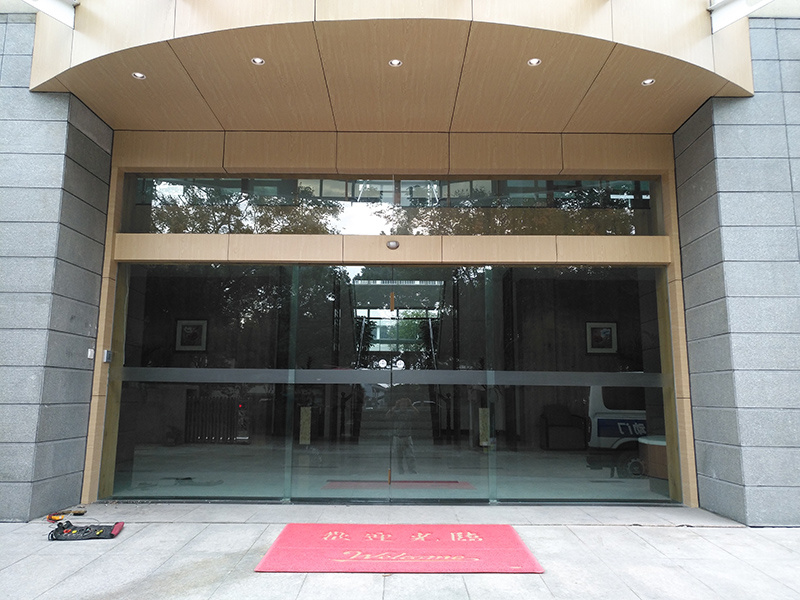
The automatic doors in Ningbo have the following advantages compared to ordinary automatic doors:
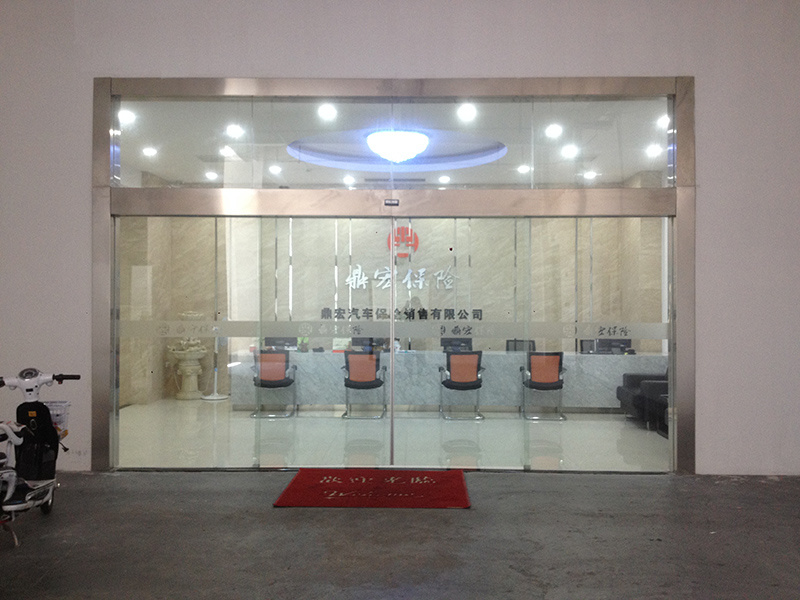
The medical doors in Ningbo have the following advantages:
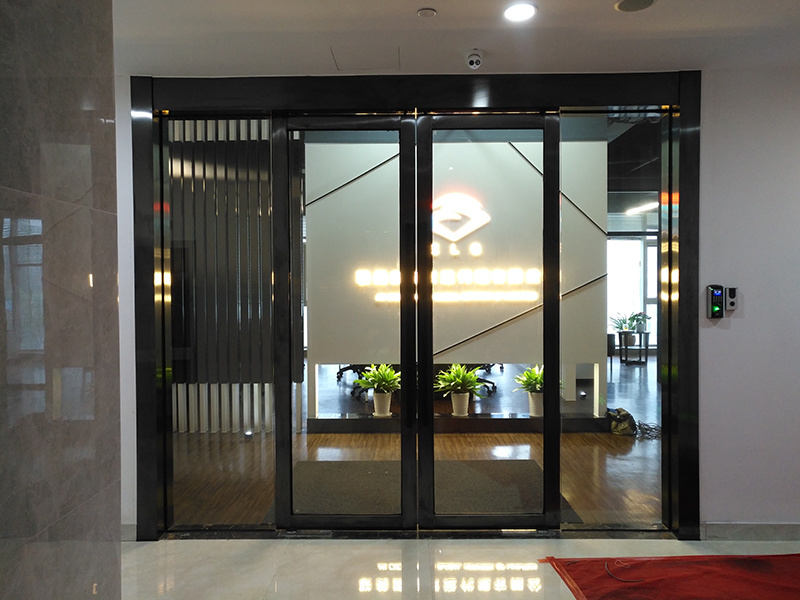
Automatic doors are a type of door that is opened and closed by a motor, which is driven and controlled. They can automatically open or close when sensing a signal or based on a preset time. The main types of automatic doors include:
MESSAGE
Please fill in the correct contact information so that we can contact you in time!
(* is required)
With superb craftsmanship and years of installation experience, we customize and produce high quality air-tight door solutions for you, and a wealth of cost-effective products are available for you to choose from. Welcome to contact us!
Please enter your email address
So that we can inform you when we update!