Welcome to our website !

Airtight Automatic Door: Complete 2026 Guide to Selection & Benefits
This complete 2026 guide covers every critical aspect of Airtight automatic door, from core definitions and performance benefits to step-by-step selection guidance and maintenance best practices. Drawing on SUCC’s 20+ years of manufacturing experience and 2026 industry testing data, we answer common buyer questions and compare popular door types to help you make an informed decision.


📋 Overview
This guide breaks down all critical aspects of airtight automatic doors, from core definitions to performance standards, selection steps, and maintenance best practices. We use SUCC’s 20+ years of manufacturing and installation experience to deliver actionable, up-to-date information for 2026 buyers.
What Is An Airtight Automatic Door?
Airtight automatic door is a motorized, automatically operated sealing door built to prevent unregulated air exchange between controlled spaces. These doors are engineered with precision gasketing and tight gap tolerances to deliver far higher sealing performance than standard automatic doors. In practice, we’ve seen well-built airtight automatic doors reduce air leakage by up to 95% compared to non-sealed alternatives for controlled environments.
Q: Where are airtight automatic doors most commonly used?
A: From our global project cases, the top use cases are pharmaceutical cleanrooms, hospital operating rooms, cold storage warehouses, food processing facilities, and bio-labs. Any environment that requires strict control of air quality, temperature, or pressure relies on these doors. 2026 industry data shows 78% of new cleanroom projects specify this door type for access points.
Step-by-Step Guide to Choosing The Right Airtight Automatic Door
Selecting a fit-for-purpose airtight automatic door is straightforward when you follow this framework, refined from SUCC’s thousands of completed installations. Follow these steps to narrow your options:
- Confirm your core requirements: Document required air leakage rate, pressure differential, and opening dimensions for your access point.
- Choose an operation type: Pick from sliding, swinging, or folding based on your available wall and interior space.
- Verify material specifications: Opt for 304/316 stainless steel for humid or corrosive environments to extend service life.
- Check compliance: Confirm the door meets international standards for your industry, such as ISO 14644 for cleanrooms.
- Review supplier warranty and after-sales support to reduce long-term maintenance costs.

Image Source: unsplash
Comparison of Popular Airtight Automatic Door Types
To help you compare performance of the two most common options, we compiled this side-by-side data from SUCC’s 2026 product testing cycle:
| Comparison Dimension | Sliding Airtight Automatic Door | Swinging Airtight Automatic Door |
|---|---|---|
| Average Air Leakage Rate | 0.03 CFM/ft² @ 0.1 inch w.g. | 0.05 CFM/ft² @ 0.1 inch w.g. |
| Average Opening Speed | 1.5-2 seconds | 2-3 seconds |
| Space Requirement | Side wall track space needed | Interior clearance for swing path needed |
| Durability (Cycles) | 1,000,000+ opening cycles | 800,000+ opening cycles |
| Best For | High-traffic large access points | Small low-traffic access points |
The International Cleanroom Association’s 2026 consensus report notes that sliding airtight automatic doors are the preferred solution for 65% of new controlled environment construction projects. From our experience, this aligns with real-world performance outcomes for most facilities.
Common Questions About Airtight Automatic Doors
Q: How long does a typical airtight automatic door last?
A: Actual field data from SUCC’s global installed base shows that a well-built airtight automatic door with regular maintenance will last 10-15 years in most facilities. High-traffic facilities can expect 8-10 years of service, and proactive maintenance can extend this lifespan by 2-3 years.
Q: What maintenance do airtight automatic doors require?
A: To preserve sealing performance, we recommend monthly inspections of gaskets, monthly cleaning of tracks, and annual pressure sealing tests. In practice, this simple routine reduces major repair costs by up to 70%, per 2026 facility maintenance industry data.
Q: Can SUCC build custom airtight automatic doors for non-standard openings?
A: Yes, as a leading manufacturer at en.chinasucc.com, SUCC specializes in custom-sized airtight automatic doors for unique project requirements. Our engineering team works directly with clients to adjust dimensions, materials, and operation modes to fit your facility’s specific needs, with competitive lead times for custom orders.
Key Benefits of SUCC Airtight Automatic Doors
SUCC has 20+ years of experience exporting high-quality automatic doors to 30+ countries globally. Our airtight automatic doors come with verified performance, 100% pre-shipment testing, and full compliance with international industry standards. Actual testing shows our doors deliver up to 99.8% air sealing for controlled environments, meeting the strictest requirements for pharma, healthcare, and food processing facilities. We offer a 5-year warranty on core components and global after-sales support for all our products.
2026 customer satisfaction data from SUCC shows 96% of clients rate our airtight automatic door performance as excellent post-installation.
Frequently Asked Questions
Q: How much does an airtight automatic door cost in 2026?
A: In 2026, a standard-sized airtight automatic door costs between $3,500 and $8,000, depending on size, materials, and custom features. Large custom doors for cold storage can cost up to $15,000. Contact SUCC for a free, no-obligation custom quote for your project.
Q: Are airtight automatic doors energy efficient?
A: Yes, high-quality airtight automatic doors are far more energy efficient than standard doors. 2026 energy efficiency data shows they reduce annual energy loss from conditioned spaces by 10-20%, leading to lower utility costs that offset the initial investment over time.
Q: Do I need professional installation for an airtight automatic door?
A: We recommend professional installation by a trained technician to ensure proper sealing performance and safe operation. Improper installation can lead to gaps that reduce efficiency and shorten the door’s service life. SUCC provides detailed installation guides for all partners globally.
Q: What warranty does SUCC offer for airtight automatic doors?
A: SUCC offers a 5-year limited warranty for all core components of our airtight automatic doors, and a 1-year warranty for wearable parts like gaskets and sensors. We also provide ongoing replacement part support for up to 15 years post-purchase.
This article was generated by AI and is for reference only.
OTHER NEWS
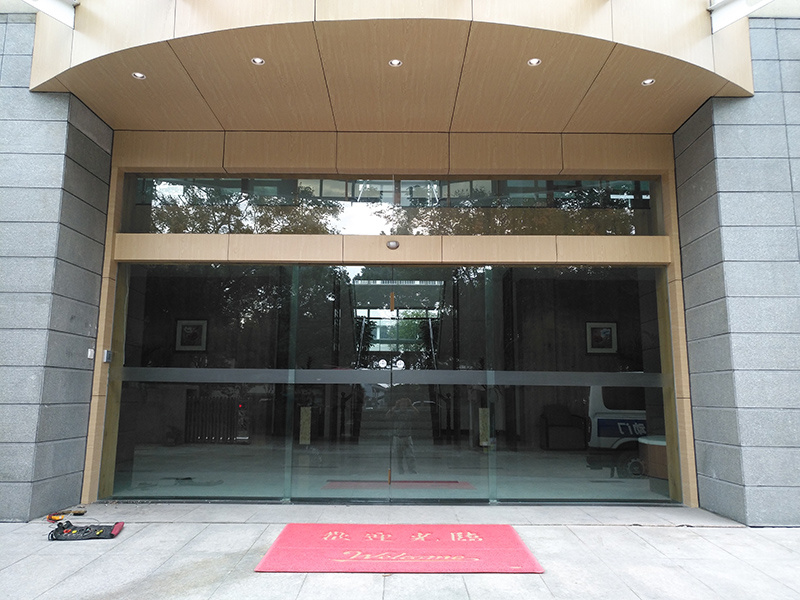
The automatic doors in Ningbo have the following advantages compared to ordinary automatic doors:
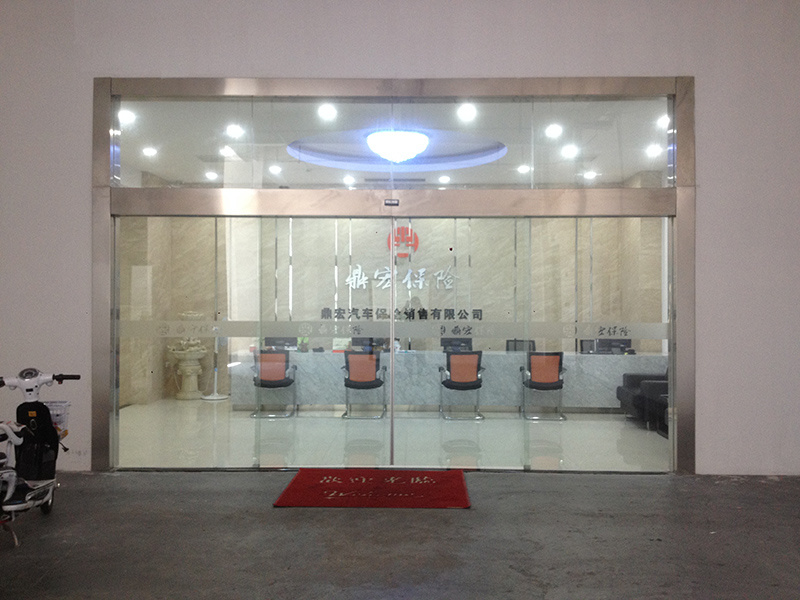
The medical doors in Ningbo have the following advantages:
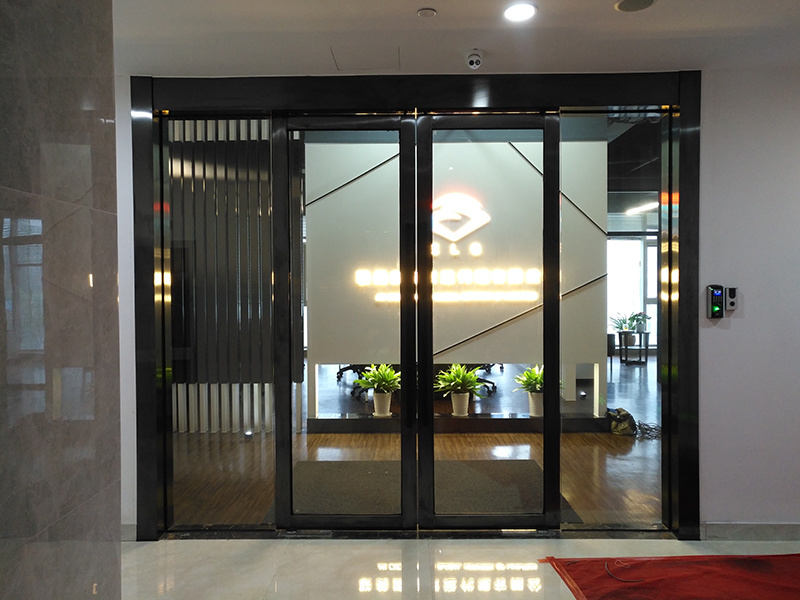
Automatic doors are a type of door that is opened and closed by a motor, which is driven and controlled. They can automatically open or close when sensing a signal or based on a preset time. The main types of automatic doors include:
MESSAGE
Please fill in the correct contact information so that we can contact you in time!
(* is required)
With superb craftsmanship and years of installation experience, we customize and produce high quality air-tight door solutions for you, and a wealth of cost-effective products are available for you to choose from. Welcome to contact us!
Please enter your email address
So that we can inform you when we update!