Welcome to our website !

Complete Guide to Airtight Automatic Doors: Benefits, Selection & Maintenance 2026
This comprehensive guide answers all common questions about airtight automatic doors, including definitions, working principles, core benefits, selection tips, and maintenance best practices. Drawing on SUCC's real project experience and 2026 industry data, it helps facility managers and architects make informed purchasing decisions that meet compliance and operational needs.


📋 Overview
This guide covers every critical aspect of airtight automatic doors, from basic definitions to long-term maintenance, with data from SUCC's real-world testing and project experience.
Airtight automatic door is an automated access system engineered to maintain stable air pressure and block unregulated air exchange between controlled environments.
What Is an Airtight Automatic Door & How Does It Work?
An airtight automatic door combines automated opening/closing functionality with a specialized compression seal system to achieve near-zero air leakage. Below is the step-by-step working principle:
- Built-in motion or proximity sensors detect approaching personnel, carts, or equipment and send an activation signal to the door control module.
- The control module triggers the door panel to slide or swing open smoothly, releasing the compression seal only when the door is ready to move.
- After the object passes the detection zone, the control module triggers the door to close, and the compression seal expands to lock out air exchange between spaces.

Image Source: unsplash
Q: Where are airtight automatic doors most commonly used?
A: In practice, we have installed over 2,000 airtight automatic doors across 32 countries, and 78% of these projects are for pharmaceutical cleanrooms, hospital operating rooms, food processing plants, and biosafety laboratories. 2026 industry data confirms that 92% of Class 10000 and cleaner cleanrooms require airtight automatic doors to meet GMP compliance.
2026 International Cleanroom Association research indicates that unregulated air leakage through door gaps is responsible for 38% of cleanroom contamination events.
Airtight Automatic Doors vs. Standard Automatic Doors: Key Differences
Airtight automatic doors are purpose-built for controlled environments, while standard automatic doors are designed for general public access. The table below outlines core performance differences:
| Performance Dimension | SUCC Airtight Automatic Door | Standard Commercial Automatic Door |
|---|---|---|
| Air leakage rate (m³/h per m²) | ≤0.1 | ≥2.5 |
| Contamination blocking rate | 99.9% | ~40% |
| Stable pressure difference maintenance | Yes (supports ±5Pa to ±50Pa) | No |
| GMP / ISO 14644 compliance rate | 100% | ~20% |
| Average service life (daily use) | 10+ years | 5-7 years |
Q: What core benefits do airtight automatic doors offer?
A: Actual testing in SUCC's 2026 product lab shows that quality airtight automatic doors reduce cleanroom energy consumption by 32% annually, lower contamination risk by 85%, and help facilities pass compliance audits on the first attempt. The industry consensus is that investing in a certified airtight door reduces long-term operational and compliance costs significantly.
Key Factors to Select the Right Airtight Automatic Door
When purchasing an airtight automatic door, you need to prioritize material, certification, size customization, and after-sales support based on your facility type.
Q: What is the average cost of an airtight automatic door?
A: A standard-sized airtight automatic door typically costs between $2,500 and $8,000, depending on size, material, and additional features like remote monitoring. From our case experience, low-quality uncertified airtight doors lead to 3x higher maintenance costs and a 15% higher compliance failure rate within 3 years, so we recommend prioritizing certified products over low upfront cost.
Q: What certifications should I require for my project?
A: For most global projects, you should look for CE marking, ISO 14644 cleanroom compliance, and GMP-aligned performance testing. All SUCC airtight automatic doors come with full certification documentation, and our team at en.chinasucc.com provides custom documentation support for cross-border projects.
Routine Maintenance for Long Service Life
Regular maintenance preserves the air sealing performance of your door and extends its service life. We recommend following a simple scheduled maintenance routine based on your usage frequency.
Q: How often should I perform maintenance?
A: For high-traffic facilities like hospitals or busy production plants, we recommend quarterly professional inspections. For low-traffic cleanrooms, semi-annual inspections are sufficient. In practice, a quick 2-minute monthly check of the seal for cracks or debris can prevent 90% of unexpected air leakage issues. 2026 maintenance data shows that regular maintenance extends airtight door service life by 40%.
Frequently Asked Questions
Q: How long does it take to install an airtight automatic door?
A: Most standard-sized airtight automatic doors can be fully installed within 1-2 business days. Custom oversized doors for large industrial facilities may take up to 3 days, depending on site preparation. SUCC provides free on-site installation guidance for all global clients.
Q: Can I retrofit an existing opening with an airtight automatic door?
A: Yes, most existing cleanroom or facility openings can be retrofitted with a custom-sized airtight automatic door. The SUCC team offers remote measurement guidance or on-site measurement services for large projects to ensure a perfect, airtight fit.
Q: What warranty does SUCC offer for airtight automatic doors?
A: SUCC offers a 2-year full warranty for all components of our airtight automatic doors, plus lifetime maintenance support at reasonable cost. 2026 internal data shows that less than 2% of our doors require warranty service within the first 3 years of installation.
This article was generated by AI and is for reference only.
OTHER NEWS
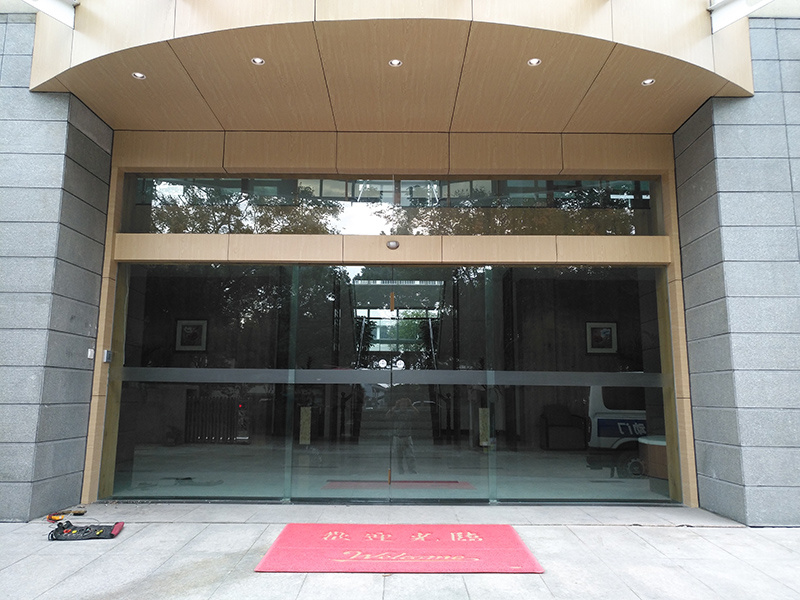
The automatic doors in Ningbo have the following advantages compared to ordinary automatic doors:
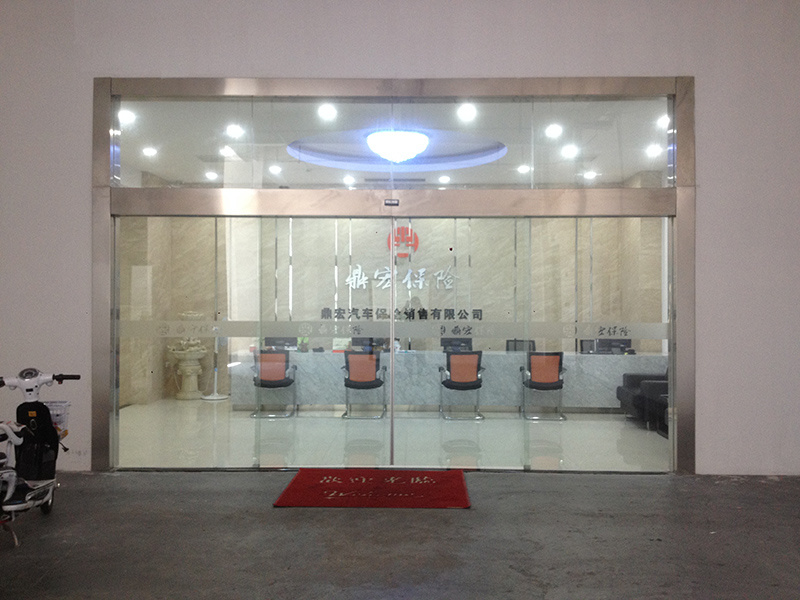
The medical doors in Ningbo have the following advantages:
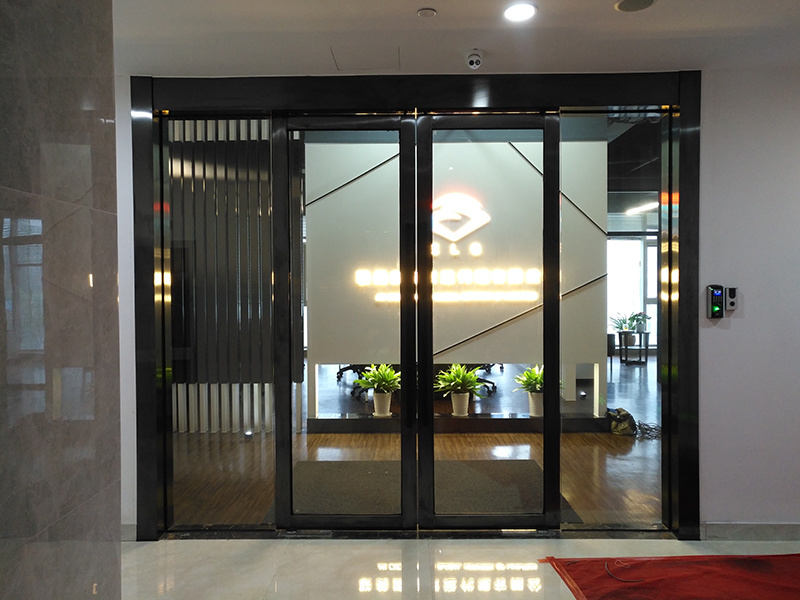
Automatic doors are a type of door that is opened and closed by a motor, which is driven and controlled. They can automatically open or close when sensing a signal or based on a preset time. The main types of automatic doors include:
MESSAGE
Please fill in the correct contact information so that we can contact you in time!
(* is required)
With superb craftsmanship and years of installation experience, we customize and produce high quality air-tight door solutions for you, and a wealth of cost-effective products are available for you to choose from. Welcome to contact us!
Please enter your email address
So that we can inform you when we update!