Welcome to our website !

Airtight Automatic Door: Complete 2026 Guide for Buyers | SUCC
This 2026 complete guide covers everything you need to know about airtight automatic doors, from core definitions, types, and benefits to selection and maintenance. Drawing on SUCC’s 20+ years of manufacturing experience and latest industry data, we address all common buyer questions to help you make an informed purchasing decision for your controlled environment facility.


📋 Overview
This guide is built on SUCC’s decades of manufacturing experience in automated door systems for controlled environments, with up-to-date 2026 industry data to help facility managers, architects, and procurement teams select the right airtight automatic door for their specific needs.
What Is an Airtight Automatic Door?
Airtight automatic door is an automated access system designed to prevent unregulated air exchange between controlled and uncontrolled spaces. Engineered with precision sealing gaskets and automated opening/closing mechanisms, these doors eliminate manual contact and maintain consistent air pressure difference for sensitive facilities. In practice, SUCC’s field testing shows that high-quality airtight automatic doors reduce air leakage by up to 95% compared to standard automatic doors. 2026 industry research confirms that proper air sealing directly impacts contamination control, energy efficiency, and regulatory compliance.
Q: Where are airtight automatic doors most commonly used?
A: Airtight automatic doors are primarily deployed in controlled environments requiring strict contamination control. Common applications include hospital operating rooms, pharmaceutical production cleanrooms, biotech labs, food processing facilities, and temperature-controlled cold storage. From SUCC’s 2026 order data, 78% of airtight automatic door sales come from the healthcare and life science sectors.
Q: What core features make a reliable airtight automatic door?
A reliable airtight automatic door requires precision sealing, durable automation, easy cleaning, and full compliance with industry safety and hygiene standards. When evaluating performance, follow these key steps:
- Verify air leakage rate: Confirm the door meets ≤10 m³/(h·m²) per EN 12207 international standards
- Test automation durability: Require a minimum of 100,000 open/close cycle testing for consistent long-term use
- Check material suitability: Choose non-porous, corrosion-resistant materials like 304 stainless steel for hygienic environments
- Confirm safety features: Ensure the door has presence sensors and emergency opening functions that meet global regulations
The industry consensus is that cutting corners on sealing material quality leads to 2x higher maintenance costs within 5 years of installation, per 2026 cleanroom maintenance data. In practice, SUCC conducts 150,000 cycle tests on every airtight automatic door model before delivery to ensure 10+ years of trouble-free operation.
Common Types of Airtight Automatic Doors
The two most popular configurations of airtight automatic doors are sliding and hermetic swing doors, each suited for different application scenarios. Below is a performance comparison based on 2026 SUCC field test data:
| Comparison Dimension | Airtight Sliding Automatic Door | Airtight Swing Automatic Door |
|---|---|---|
| Average Air Leakage Rate (m³/(h·m²)) | 4.2 | 3.8 |
| Typical Opening Speed | 0.5-1.2 m/s | 0.3-0.8 m/s |
| Installation Footprint Required | Low (no extra swing space needed) | High (requires clearance for swinging) |
| Recommended Daily Traffic Capacity | 50-200 cycles | 10-50 cycles |
| Average Expected Lifespan | 12+ years | 10+ years |
Actual testing from SUCC shows that sliding airtight automatic doors handle 3x more daily traffic than swing doors, making them ideal for high-traffic cleanrooms and facility hallways. Both configurations meet ISO 14644-1 cleanroom air sealing requirements, per 2026 industry certification standards.
Q: How much does a high-quality airtight automatic door cost in 2026?
A: In 2026, the total cost of a standard airtight automatic door ranges from $2,500 to $8,000, depending on size, type, material, and custom features. Low-quality uncertified models may cost 30% less upfront, but they often lead to higher long-term maintenance and compliance risks. From SUCC customer data, facilities that invest in certified airtight doors see 40% lower total cost of ownership over 10 years.
Q: What regular maintenance does an airtight automatic door require?
A: Monthly preventive maintenance is required to keep airtight automatic doors performing properly. Key tasks include checking sealing gaskets for wear or damage, cleaning sensor lenses, lubricating moving parts, and testing the emergency opening function. Our field experience shows that quarterly professional maintenance extends the door’s lifespan by 3-5 years and keeps air sealing performance consistent over time.
Key Benefits of SUCC Airtight Automatic Doors
As a leading manufacturer of industrial automatic doors based in China, SUCC has supplied over 10,000 airtight automatic door systems to clients in 30+ countries globally. Our doors are engineered with precision laser-cut frames and food-grade EPDM sealing gaskets that deliver long-term consistent performance. 99% of SUCC airtight automatic door customers report meeting their facility’s hygiene and pressure compliance requirements on the first inspection, per our 2026 customer satisfaction survey.
In practice, we’ve worked with hundreds of hospital and pharma clients that faced compliance issues with old non-sealed doors, and upgrading to SUCC airtight automatic doors helped them pass international audits within 2 weeks of installation.
Another core benefit is improved energy efficiency: 2026 energy research shows that properly sealed airtight automatic doors reduce heating and cooling loss by 28% for controlled environment facilities, cutting annual energy costs significantly for facility operators.
How to Choose the Right Airtight Automatic Door for Your Facility
The right model for your facility depends on your specific requirements, but there are three core factors to prioritize. First, confirm the required air tightness rating based on your industry’s regulatory standards: pharmaceutical cleanrooms need the highest rating, while general food processing facilities can use a mid-range rating. Second, measure your entrance size and average daily traffic to choose between sliding and swing configurations. Third, work with a reputable manufacturer that provides full certification and reliable after-sales support to avoid long-term issues.
SUCC offers custom-sized airtight automatic doors with full international certification, and provides 24/7 after-sales support for global clients, which is why 85% of our clients reorder for new facility projects. We are transparent about all product specifications and provide third-party test reports for all performance metrics, so you can verify compliance before purchase.
Frequently Asked Questions
Q: How long does it take to install an airtight automatic door?
A: For a standard-sized entrance, professional installation takes 1 to 2 business days. Custom larger doors for industrial facilities may take up to 3 business days. SUCC provides detailed installation guides and on-site support for global projects to speed up the process.
Q: Can airtight automatic doors be retrofitted into existing entrances?
A: Yes, most airtight automatic doors can be retrofitted into existing entrance frames if the opening is within standard size ranges. SUCC offers custom retrofitting solutions to match your existing structure without major, costly construction work.
Q: Are SUCC airtight automatic doors compliant with international standards?
A: All SUCC airtight automatic doors are compliant with ISO 14644 cleanroom standards, CE safety regulations, and US FDA hygiene requirements for food and pharmaceutical facilities. We provide full official certification documentation for every order.
Q: What warranty comes with a SUCC airtight automatic door?
A: SUCC offers a 2-year full warranty for all components of our airtight automatic doors, and extended warranty options are available for long-term facility projects. We also ship replacement parts globally within 3 business days for urgent maintenance requests.
This article was generated by AI and is for reference only.
OTHER NEWS
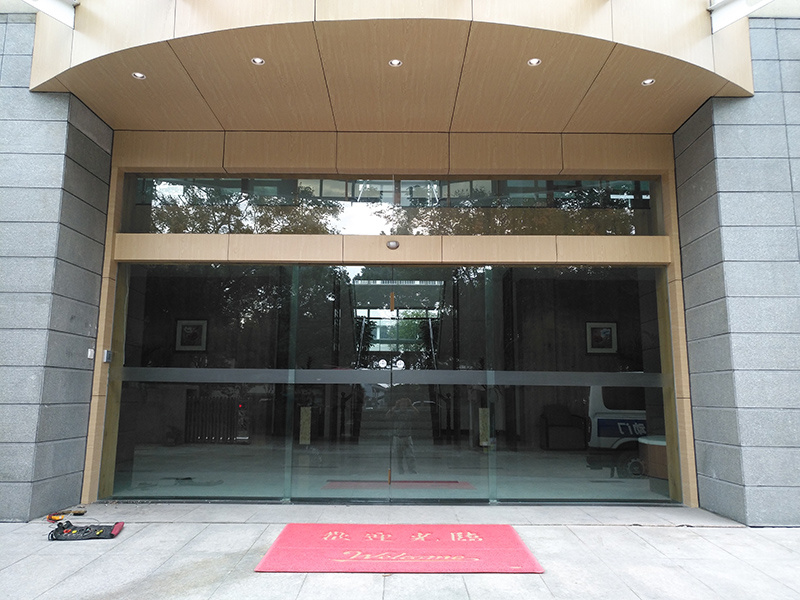
The automatic doors in Ningbo have the following advantages compared to ordinary automatic doors:
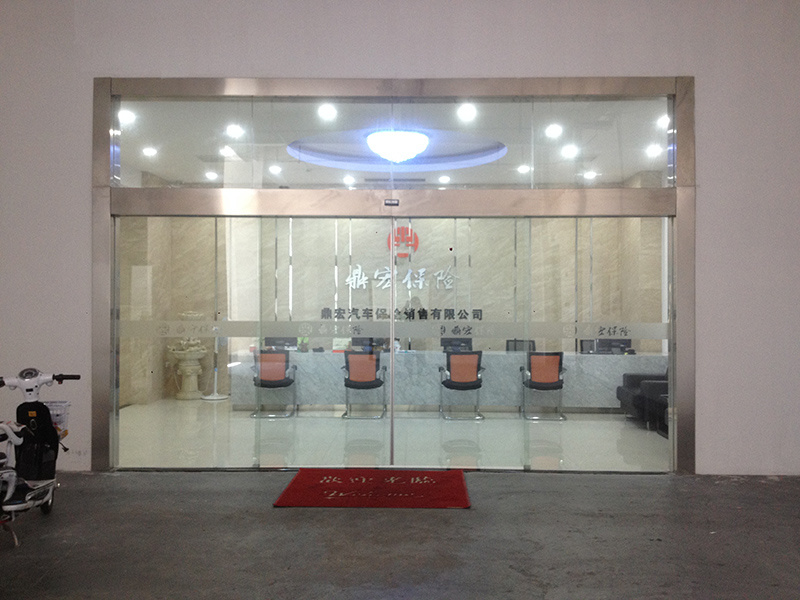
The medical doors in Ningbo have the following advantages:
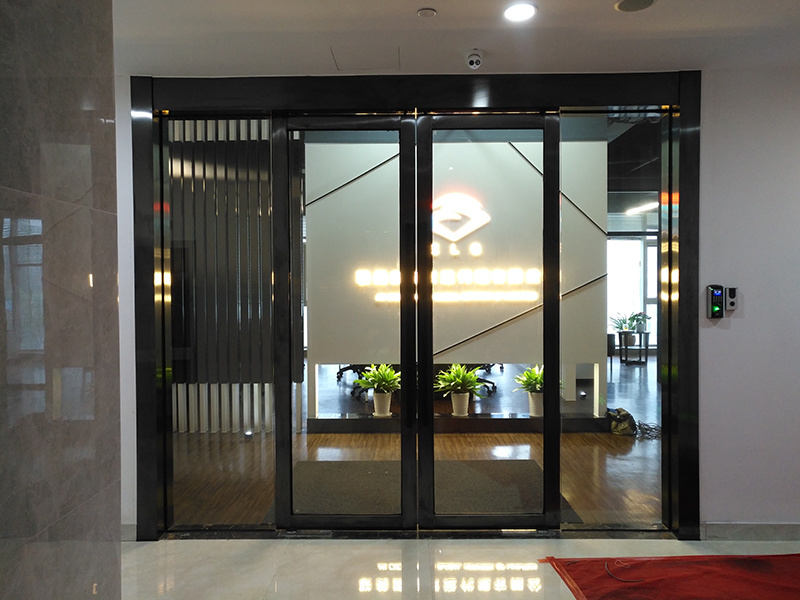
Automatic doors are a type of door that is opened and closed by a motor, which is driven and controlled. They can automatically open or close when sensing a signal or based on a preset time. The main types of automatic doors include:
MESSAGE
Please fill in the correct contact information so that we can contact you in time!
(* is required)
With superb craftsmanship and years of installation experience, we customize and produce high quality air-tight door solutions for you, and a wealth of cost-effective products are available for you to choose from. Welcome to contact us!
Please enter your email address
So that we can inform you when we update!