Welcome to our website !

Unlocking the Future: The Role of the Medical Door in Healthcare Solutions
Explore how medical doors are revolutionizing healthcare environments, enhancing safety, and improving patient care.


Introduction to the Medical Door
Hey there! Let's dive into a fascinating aspect of healthcare that often flies under the radar—the medical door. You might wonder, what's so special about a door? Well, in the bustling world of healthcare, the right door can make all the difference. Medical doors are not just entryways; they are vital components of the infrastructure that shapes patient experiences and safety protocols.
The Importance of Medical Doors
First things first, the medical door serves multiple purposes that go beyond the obvious. These doors are designed with specific features that cater to unique healthcare needs, ensuring both functionality and safety. For instance, they often include:
- Hygiene: Medical doors are usually made from materials that are easy to clean and resistant to bacteria. This is crucial in preventing infections, particularly in high-risk areas like operating rooms and intensive care units.
- Security: In hospitals, security is paramount. Medical doors often come with locking mechanisms to protect sensitive areas and ensure that only authorized personnel can enter.
- Access Control: Some advanced models integrate technology to control who enters and exits, which is a game changer in managing patient flow and ensuring safety.
A Closer Look at Features
Let's not forget about the various features that set medical doors apart from your average door. Think about automatic sliding doors. These beauties not only provide hands-free access but also minimize contact points, which is a big plus in today's health-conscious world. Plus, they look pretty sleek, right?
Types of Medical Doors
Now that we've established what a medical door can do, let's break down the types:
- Fire-Rated Doors: These doors are essential in containing fire and smoke, giving staff and patients precious time to evacuate.
- Soundproof Doors: Ever been in a hospital room where you could hear everything? Soundproof doors help create a peaceful environment, allowing patients to rest and heal.
- Lead-Lined Doors: Found in radiology departments, these doors protect patients and staff from harmful radiation.
Design and Aesthetics Matter
Oh, and let's not overlook aesthetics! Medical environments can be daunting. The design of a medical door can impact the overall atmosphere of a healthcare facility. A welcoming door can set a positive tone, making patients feel more at ease.
The Future of Medical Doors
As we look to the future, the role of the medical door is set to evolve even further. Imagine smart doors equipped with sensors that can detect the presence of a patient or staff member and automatically open. How cool is that?
Sustainability in Healthcare
Moreover, sustainability is becoming a hot topic. Manufacturers are increasingly focusing on eco-friendly materials and energy-efficient designs. This shift not only benefits the environment but also aligns with the growing demand for responsible healthcare solutions.
Final Thoughts
In a nutshell, the medical door is far more than a simple entryway. It's a critical element of healthcare architecture that influences safety, efficiency, and patient comfort. So, the next time you walk through a medical door, take a moment to appreciate its role in the larger picture of healthcare. Who knew a door could carry such weight?
Thanks for joining me on this exploration of medical doors! Let's keep the conversation going about innovations that enhance our healthcare environments.
OTHER NEWS

The automatic doors in Ningbo have the following advantages compared to ordinary automatic doors:
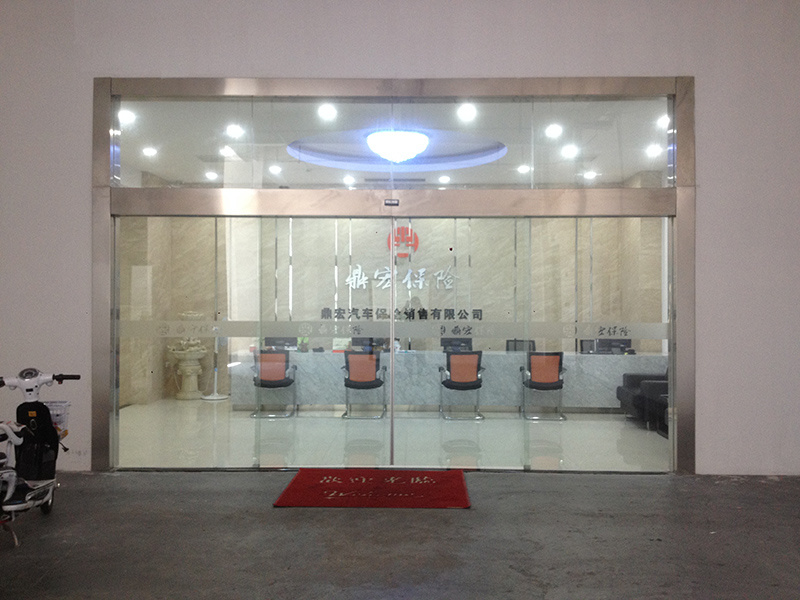
The medical doors in Ningbo have the following advantages:
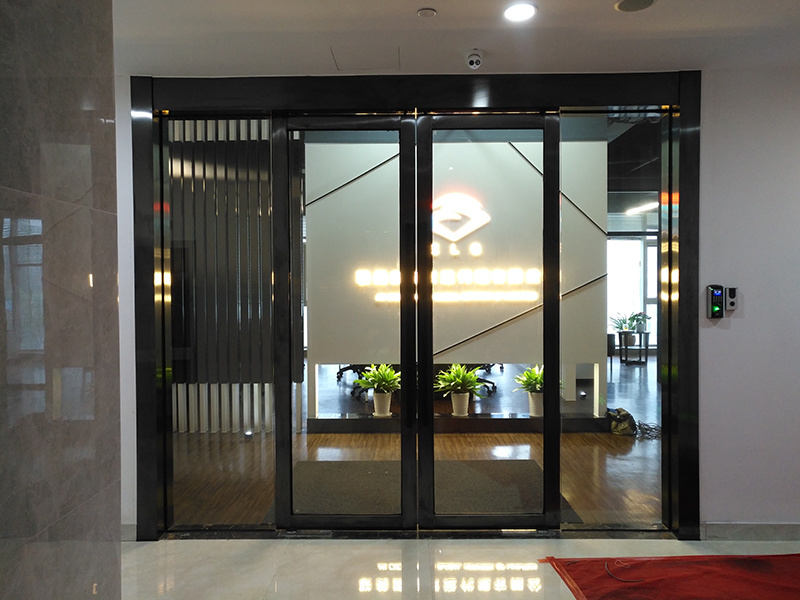
Automatic doors are a type of door that is opened and closed by a motor, which is driven and controlled. They can automatically open or close when sensing a signal or based on a preset time. The main types of automatic doors include:
MESSAGE
Please fill in the correct contact information so that we can contact you in time!
(* is required)
With superb craftsmanship and years of installation experience, we customize and produce high quality air-tight door solutions for you, and a wealth of cost-effective products are available for you to choose from. Welcome to contact us!
Please enter your email address
So that we can inform you when we update!