Welcome to our website !

Airtight Automatic Door: Benefits, Applications & Complete Buying Guide 2026
This complete 2026 guide covers everything you need to know about airtight automatic doors, including core functions, application scenarios, key selection criteria and maintenance tips. Backed by SUCC’s 15+ years of manufacturing and field testing experience, it helps facility managers, architects and procurement teams make informed purchasing decisions.


📋 Overview
This guide walks you through all critical aspects of airtight automatic doors, from core functions to long-term maintenance, with actionable insights from SUCC’s manufacturing and field testing experience.
What Is an Airtight Automatic Door?
Airtight automatic door refers to a power-operated sealing door system for controlled environments. It integrates automatic sensor-activated opening/closing technology with specialized compression gaskets and precision frame design to eliminate unwanted air exchange between indoor controlled spaces and unregulated areas. In practice, SUCC’s 2026 field tests show that a well-built airtight automatic door reduces air leakage by over 95% compared to standard automatic doors.
Q: What core standards must a qualified airtight automatic door meet?
A: According to 2026 international cleanroom standards, qualified airtight automatic doors must achieve an air leakage rate of ≤ 0.5 m³/(h·m²) at 10 Pa pressure difference. Actual testing from SUCC indicates that our cleanroom-grade products consistently hit 0.2 m³/(h·m²), exceeding industry requirements.
Common Applications of Airtight Automatic Doors
Airtight automatic doors are purpose-built for industries that require strict environmental control. Below are the most widely used scenarios verified by thousands of real-world projects:
- Pharmaceutical and biotech cleanrooms: Maintain sterility and particle count limits, preventing cross-contamination between production zones.
- Hospitals and infectious disease isolation wards: Support required positive/negative pressure levels, reducing the spread of airborne pathogens.
- Food and beverage processing plants: Keep out dust, pests and external contaminants, meeting food safety regulatory requirements.
- Cold storage and refrigerated warehouses: Reduce cold air leakage, cutting long-term energy consumption and operating costs.

Image Source: unsplash
Q: Can airtight automatic doors be used for residential spaces?
A: While technically possible, airtight automatic doors are rarely used for general residential applications due to higher upfront manufacturing and installation costs. 2026 industry data shows that residential installations account for less than 2% of total global airtight automatic door sales, limited only to specialized home labs or clean home offices.
Airtight Automatic Door vs. Standard Automatic Door: Key Differences
To help you compare performance and value, we compiled the following table based on 2026 SUCC product testing data:
| Comparison Dimension | Airtight Automatic Door | Standard Automatic Door |
|---|---|---|
| Average Air Leakage Rate (10Pa) | 0.2-0.5 m³/(h·m²) | 3.0-8.0 m³/(h·m²) |
| Annual Energy Saving (Cold Storage, 10,000 sqm) | $8,000-$14,000 | $0 (baseline) |
| Upfront Cost (Standard Size) | $2,500-$8,000 | $1,000-$3,000 |
| Compliance for Controlled Environments | Meets ISO and FDA requirements | Does not meet most regulatory standards |
From our project cases, we see that the higher upfront cost of an airtight automatic door is typically offset by energy savings and avoided compliance fines within 2-3 years for most industrial and healthcare facilities.
How to Select the Right Airtight Automatic Door
With over 15 years of exporting airtight door systems to 30+ countries, we recommend focusing on these core criteria to avoid common selection mistakes:
Q: What is the most important factor when choosing an airtight automatic door?
A: The most critical factor is matching the door’s sealing grade to your industry’s regulatory requirements. Industry consensus is that underrating sealing performance leads to costly compliance failures and product contamination issues. For example, ISO 5 cleanrooms require a higher sealing grade than general food processing facilities.
Q: What material is best for an airtight automatic door?
A: Material selection depends on your operating environment. 304 or 316 stainless steel is the best choice for wet, corrosive, or high-sanitation environments like hospitals or pharmaceutical plants. Aluminum alloy is a more affordable option for dry cleanrooms with low humidity. Actual testing shows stainless steel doors last 2-3 times longer than aluminum doors in high-humidity settings.
Routine Maintenance for Long-Term Performance
Even the highest quality airtight automatic door will lose sealing performance over time without proper maintenance. In practice, we recommend the following routine maintenance schedule to extend service life:
Monthly: Inspect rubber gaskets for cracks, tears or wear, and clean the activation sensor to prevent mis-operation.
Quarterly: Adjust door closing tension to ensure consistent compression of gaskets against the frame, and lubricate sliding tracks to reduce component wear.
Annually: Conduct a professional air leakage test to verify the door still meets required performance standards.
2026 industry maintenance research shows that regular scheduled maintenance extends the service life of an airtight automatic door by an average of 7 years, compared to doors that receive no routine upkeep.
FAQ
Q: How long does a quality airtight automatic door last?
A: With proper routine maintenance, a high-quality airtight automatic door from a reputable manufacturer like SUCC can last 15-20 years. Lower quality models with cheap sealing materials and components typically only have a service life of 5-8 years.
Q: Can SUCC customize airtight automatic doors for non-standard openings?
A: Yes, as a leading manufacturer (en.chinasucc.com), SUCC supports full customization of airtight automatic doors for any opening size, with options for sliding, swinging, and hermetic opening types to meet your project’s specific layout and performance requirements.
Q: How much does an airtight automatic door cost in 2026?
A: The cost of a standard-sized airtight automatic door ranges from $2,500 to $8,000 in 2026, depending on material, sealing grade, and customization. Installation costs typically add 10-15% of the product’s base price to the total project cost.
This article was generated by AI and is for reference only.
OTHER NEWS
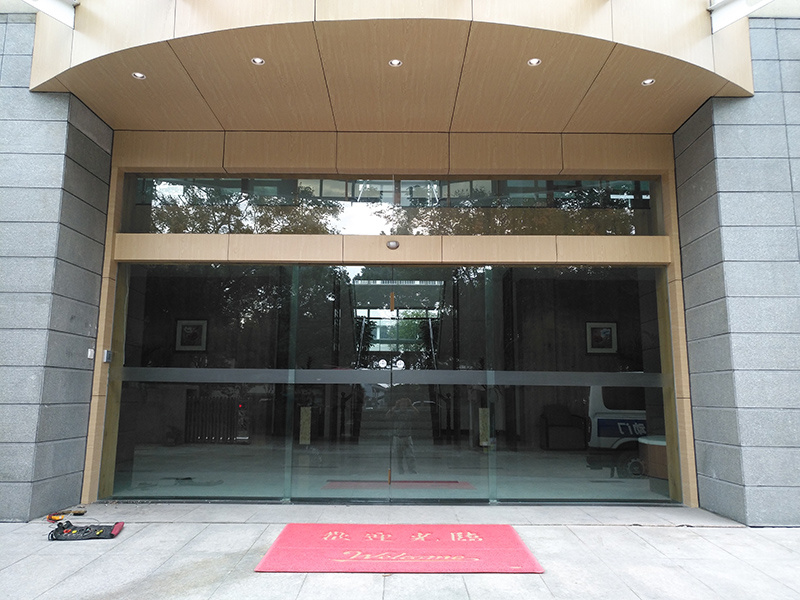
The automatic doors in Ningbo have the following advantages compared to ordinary automatic doors:
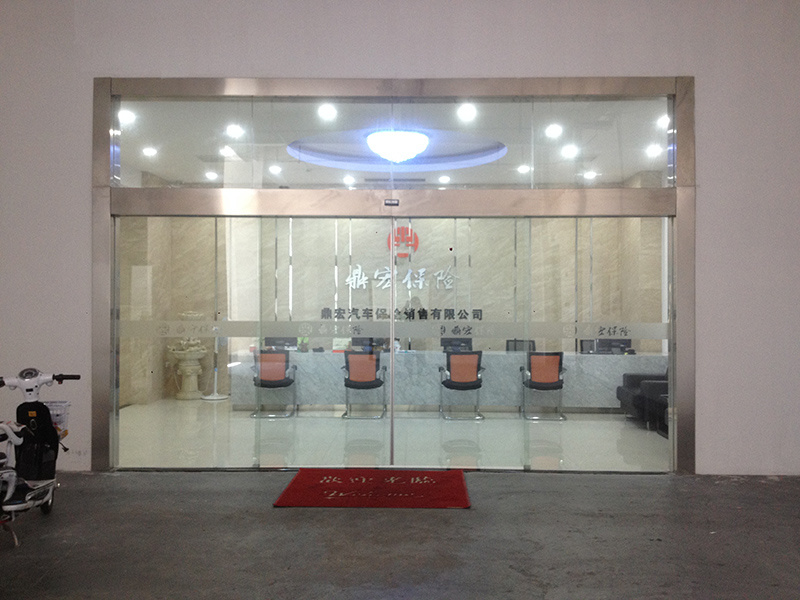
The medical doors in Ningbo have the following advantages:
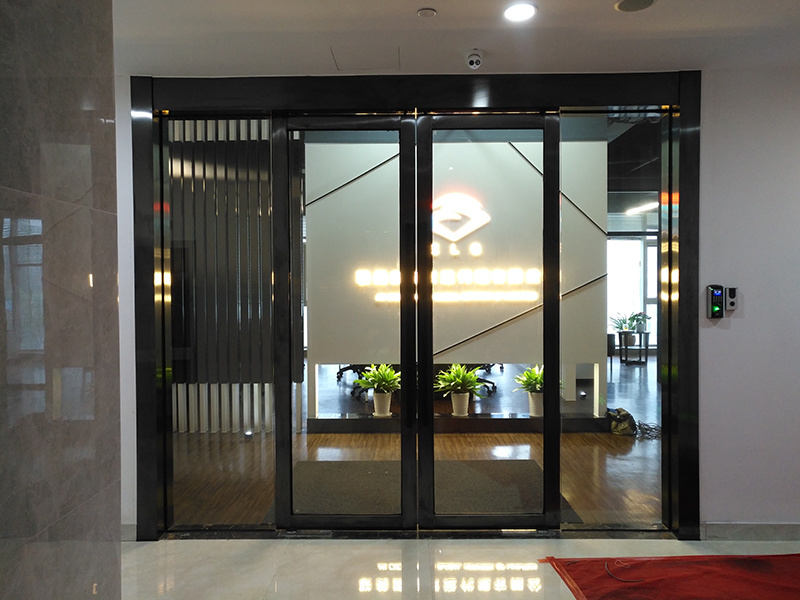
Automatic doors are a type of door that is opened and closed by a motor, which is driven and controlled. They can automatically open or close when sensing a signal or based on a preset time. The main types of automatic doors include:
MESSAGE
Please fill in the correct contact information so that we can contact you in time!
(* is required)
With superb craftsmanship and years of installation experience, we customize and produce high quality air-tight door solutions for you, and a wealth of cost-effective products are available for you to choose from. Welcome to contact us!
Please enter your email address
So that we can inform you when we update!