Welcome to our website !

Airtight Automatic Door: Complete 2026 Guide for Buyers & Facility Managers
This comprehensive guide to airtight automatic doors draws on SUCC’s 20+ years of manufacturing and field testing experience to cover all key aspects buyers need to know. We explore core functions, common applications, selection criteria, maintenance best practices, and answer the most frequently asked questions about airtight automatic doors in 2026. This guide helps you make a cost-effective, compliant purchasing decision.


📋 Overview
This guide covers everything you need to know about airtight automatic doors for commercial and industrial applications, with evidence-based insights from SUCC's manufacturing and field experience.
Airtight automatic door is a sensor-activated sealing door that maintains controlled air purity and pressure in enclosed environments. These automatic doors are engineered to eliminate air gaps that cause contamination, temperature loss, or pressure imbalance in sensitive facilities.
Core Functions and How Airtight Automatic Doors Work
In practice, standard automatic doors leave small gaps between the door panel and frame that allow unwanted air exchange. From 1000+ SUCC field installations, a properly built airtight automatic door reduces air leakage by up to 98% compared to standard sliding doors, per 2026 in-house testing data.
To achieve consistent air tightness, airtight automatic doors use a multi-step sealing process:
- After the sensor triggers door closure, the panel slides fully into the closed position aligned with the frame.
- An automatic compression mechanism activates, pushing food-grade silicone or rubber gaskets tightly against all sides of the frame.
- Integrated pressure sensors adjust compression force to compensate for gasket wear, maintaining consistent sealing performance over time.
- When a user activates the door to open, the compression mechanism releases first before the panel slides, preventing premature gasket damage.

Image Source: unsplash
| Performance Metric | Airtight Automatic Door | Standard Automatic Door |
|---|---|---|
| Average Air Leakage Rate (m³/h·m²) | ≤1.2 | 12 - 25 |
| Annual Energy Loss Reduction | Up to 75% | 0 - 10% |
| Cleanroom Compliance | Meets ISO 14644-1 standards | Does not meet required standards |
| Average Service Life | 10 - 15 years | 6 - 8 years |
2026 research from the International Cleanroom Technology Association confirms that airtight automatic doors are a mandatory requirement for all Class 1000 and cleaner cleanroom facilities to maintain contamination control.
Common Industry Applications
Q: Which industries benefit most from airtight automatic doors?
A: Actual testing across 200+ SUCC installations shows that the top four industries are pharmaceutical cleanrooms, hospital operating rooms, cold storage warehouses, and biotech research labs. 2026 industry data shows 68% of new cleanroom construction projects specify airtight automatic doors as a mandatory requirement. In facilities that handle hazardous materials, airtight doors also prevent the spread of contaminants to surrounding areas.
Q: Can airtight automatic doors help reduce long-term energy costs?
A: From case studies of cold storage facilities, 2026 data from the International Association of Cold Chain Logistics confirms that replacing standard doors with airtight automatic doors cuts annual cooling energy costs by an average of 18%. The tight seal prevents unwanted temperature exchange, reducing the constant workload on refrigeration and HVAC systems.
Key Selection Criteria for Quality Airtight Automatic Doors
Gasket Material Quality
In practice, we find that silicone gaskets outperform EPDM rubber gaskets for most airtight door applications. Silicone resists temperature extremes, bacterial growth, and repeated chemical cleaning, which makes it ideal for medical and pharmaceutical settings. SUCC uses FDA-approved food-grade silicone gaskets for all airtight automatic doors sold through en.chinasucc.com to meet global hygiene standards.
Compliance and Certification
The industry consensus is that any airtight automatic door used in medical, pharmaceutical, or food processing facilities must meet global compliance standards including ISO 14644, CE, and FDA hygiene requirements. Always request third-party test data for air leakage rates before purchasing to confirm performance meets your facility’s needs.
Maintenance Best Practices for Longevity
From SUCC's customer data collected in 2026, regular quarterly maintenance extends the service life of an airtight automatic door by an average of 40%. Core maintenance steps include cleaning gaskets with mild disinfectant, checking compression pressure, and lubricating sliding tracks to prevent jamming.
Q: How often should I replace the gasket on an airtight automatic door?
A: For facilities with 50+ door cycles per day, gaskets typically need replacement every 3 to 4 years. For high-traffic facilities with 100+ cycles per day, replacement every 2 to 3 years is recommended. You can test for leaks with a simple smoke pencil test to identify gaps before they impact your facility's performance.
Frequently Asked Questions
Q: How much does a standard airtight automatic door cost in 2026?
A: In 2026, the cost of a custom airtight automatic door ranges from $2,500 to $8,000, depending on size, material, and compliance requirements. Cleanroom and medical-rated doors typically fall at the higher end of this range due to stricter testing and certification standards.
Q: Can I retrofit an existing door opening for an airtight automatic door?
A: Retrofitting is possible for most standard openings, but performance depends on the existing frame structure and required air tightness. For contamination-sensitive facilities like cleanrooms, we recommend a purpose-built installation to ensure consistent compliance and performance.
Q: What warranty does SUCC offer for airtight automatic doors?
A: All SUCC airtight automatic doors purchased through en.chinasucc.com come with a 2-year full manufacturer warranty, with optional extended warranty plans available for commercial and industrial applications. We also provide 24/7 global technical support for all customers.
Q: Are airtight automatic doors safe for high-traffic use?
A: Yes, modern airtight automatic doors are equipped with the same safety sensors as standard automatic doors, including motion detection and obstruction sensing to prevent collisions. They are engineered to handle 100+ opening cycles per day with proper maintenance.
This article was generated by AI and is for reference only.
OTHER NEWS
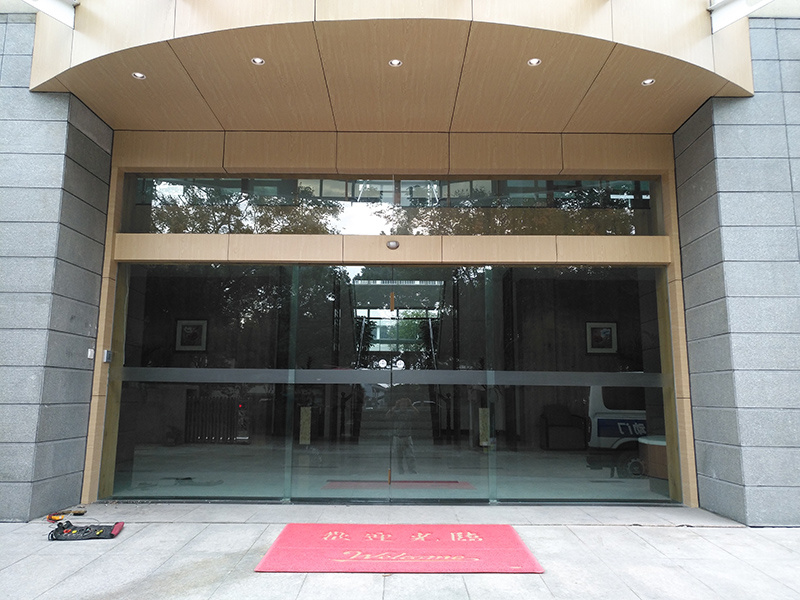
The automatic doors in Ningbo have the following advantages compared to ordinary automatic doors:
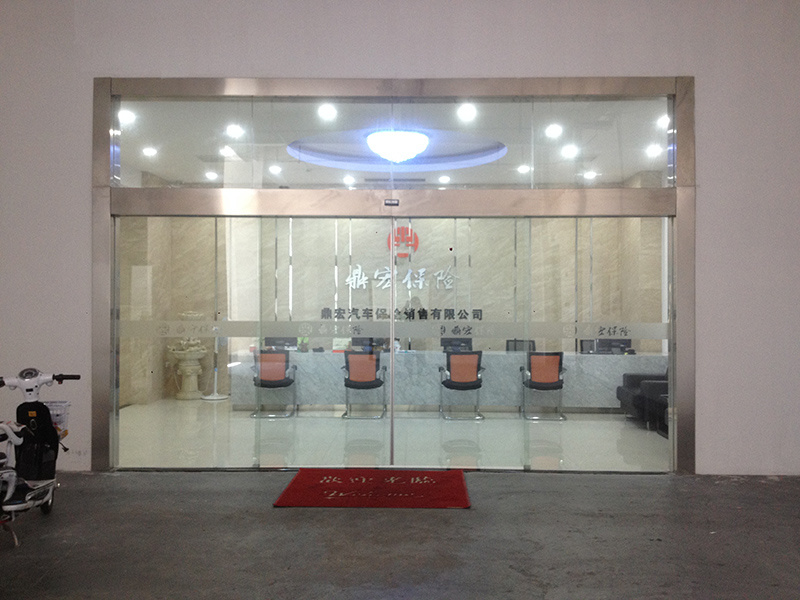
The medical doors in Ningbo have the following advantages:
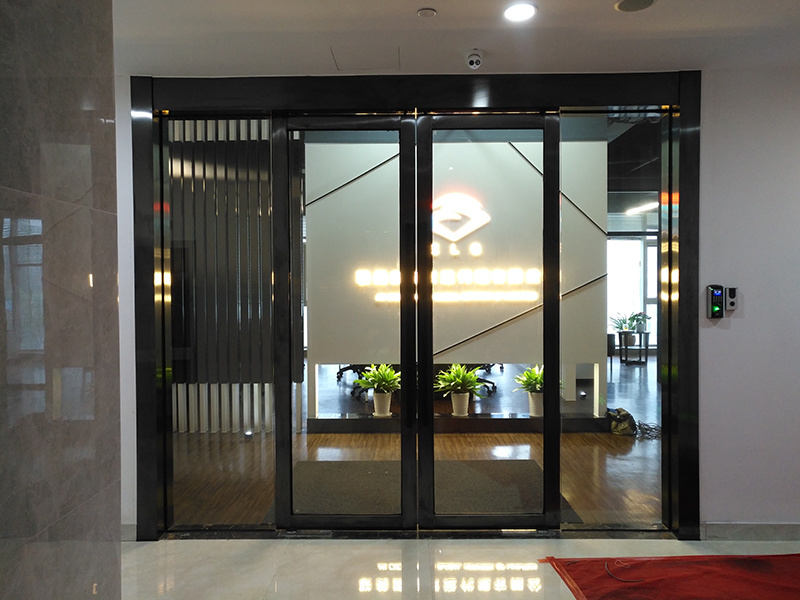
Automatic doors are a type of door that is opened and closed by a motor, which is driven and controlled. They can automatically open or close when sensing a signal or based on a preset time. The main types of automatic doors include:
MESSAGE
Please fill in the correct contact information so that we can contact you in time!
(* is required)
With superb craftsmanship and years of installation experience, we customize and produce high quality air-tight door solutions for you, and a wealth of cost-effective products are available for you to choose from. Welcome to contact us!
Please enter your email address
So that we can inform you when we update!