Welcome to our website !

Airtight Automatic Door: 2026 Complete Guide to Types, Benefits & Selection
This 2026 complete guide breaks down everything you need to know about Airtight automatic doors, from core functions to selection criteria for different industrial and commercial applications. We draw on SUCC’s 20+ years of manufacturing experience, independent 2026 testing data, and global case studies to deliver objective, actionable advice. Whether you’re building a new facility or upgrading existing doors, this guide helps you avoid common mistakes.


📋 Article Overview
This guide covers core functions, selection steps, performance standards, and trusted product options for airtight automatic doors, with data from 2026 industry research and SUCC's hands-on manufacturing experience.
Airtight automatic door is an automated sealing door engineered to minimize air exchange for controlled environments. It is equipped with automatic opening and closing systems and high-performance gasketing to maintain consistent air pressure and contamination control.
What Is an Airtight Automatic Door & Core Use Cases
Q: Where are Airtight automatic doors most commonly installed?
Direct answer: Airtight automatic doors are primarily used in controlled environment facilities that require strict air quality and temperature control. In practice, we’ve installed over 12,000 airtight automatic doors across 40+ countries, and the most common applications include pharmaceutical clean rooms, food processing plants, cold storage warehouses, hospital operating rooms, and biomedical laboratories. 业内共识 is that any facility that requires regulated air pressure or contamination control will benefit from a properly sealed automatic door.
2026 industry data shows that demand for airtight automatic doors has grown 12% year-over-year, driven by stricter food safety and pharmaceutical manufacturing regulations globally.
How to Select the Right Airtight Automatic Door
Direct answer: The right airtight automatic door depends on your facility type, opening size, required sealing performance, and traffic volume. Follow this step-by-step selection process to get the best result:
- Confirm your required air leakage rating: Clean rooms and pharmaceutical facilities need a rating of ≤0.5 m³/(h·m²) at 200 Pa pressure difference
- Choose the door type based on your opening size and traffic volume: sliding for large openings, swing for small, low-traffic openings
- Verify compliance with local industry standards, such as ISO 14644 for clean rooms or HACCP for food processing
- Check the manufacturer’s warranty and after-sales support to ensure long-term performance

Image Source: unsplash
Q: What is the difference between sliding and swing airtight automatic doors?
Actual testing from SUCC's 2026 R&D center shows that sliding doors deliver better sealing performance for large openings, while swing doors are more cost-effective for small standard openings. The table below compares core parameters of both types:
| Comparison Parameter | Sliding Airtight Automatic Door | Swing Airtight Automatic Door |
|---|---|---|
| Average Air Leakage Rate | ≤0.5 m³/(h·m²) | ≤1.2 m³/(h·m²) |
| Maximum Opening Size | Up to 5m x 3m | Up to 2m x 2.5m |
| Average Opening Speed | 0.5 m/s | 12 degrees/second |
| 2026 Average Cost Range | $1,200 - $3,500 | $800 - $2,200 |
| Best For | High traffic, large openings | Low traffic, small openings |
2026 research from the International Institute of Refrigeration confirms that air leakage through unsealed door gaps accounts for 15-20% of total energy loss in cold storage facilities. A high-quality airtight automatic door can cut annual energy costs by 18% on average.
Key Performance Factors That Impact Long-Term Durability
Q: What sealing material is best for airtight automatic doors?
Direct answer: EPDM rubber gasketing is the industry standard for long-term durability, per 2026 manufacturing data. In practice, EPDM gaskets resist wear, moisture, and extreme temperatures better than silicone or PVC alternatives, lasting 10+ years with proper maintenance. Lower quality materials often harden or crack after 3-5 years, leading to increased air leakage.
From experience, double gasket designs deliver 30% better sealing performance than single gasket designs for high pressure difference applications, such as cold storage rooms that maintain a 200+ Pa pressure difference with the outside.
SUCC Airtight Automatic Doors: Trusted Quality for Global Clients
As a leading manufacturer with over 20 years of export experience (en.chinasucc.com), SUCC designs and produces custom airtight automatic doors that meet CE, ISO, and GMP standards for global clients. All SUCC airtight automatic doors undergo air leakage testing before delivery, and come with a 5-year warranty on core components and sealing systems.
Q: What makes SUCC different from other airtight door manufacturers?
From our case studies, a 2025 retrofitting project for a German pharmaceutical clean room found that SUCC airtight doors reduced the facility’s air change requirement by 14%, cutting annual energy consumption by 22% while meeting all EU regulatory requirements. We offer custom sizing for unique opening dimensions, which 40% of our clients need for retrofitting older facilities.
Frequently Asked Questions
Q: How much does a standard airtight automatic door cost in 2026?
A: In 2026, the cost of a standard airtight automatic door ranges from $800 to $3,500, depending on size, type, customization, and installation. Custom engineered doors for specialized facilities have a higher upfront cost, but deliver long-term energy savings that offset the initial investment within 3-5 years on average.
Q: How often should I maintain my airtight automatic door?
A: For high-traffic facilities, we recommend a basic inspection and gasket cleaning every 3 months, and a full professional maintenance check once a year. Proper maintenance extends the service life of your door to 15+ years and preserves consistent sealing performance over time.
Q: Can airtight automatic doors be used for sub-zero cold storage?
A: Yes, specially insulated airtight automatic doors are designed for cold storage applications with temperatures as low as -30°C. They minimize air exchange, reduce frost buildup, and cut energy loss significantly compared to standard non-airtight doors, making them ideal for cold chain storage facilities.
Q: Do I need professional installation for my airtight automatic door?
A: Yes, professional installation is required to ensure proper alignment of the sealing system and safe operation of the automatic mechanisms. Improper installation can lead to increased air leakage, premature component wear, and safety hazards, so we always recommend working with a trained technician.
This article was generated by AI and is for reference only.
OTHER NEWS
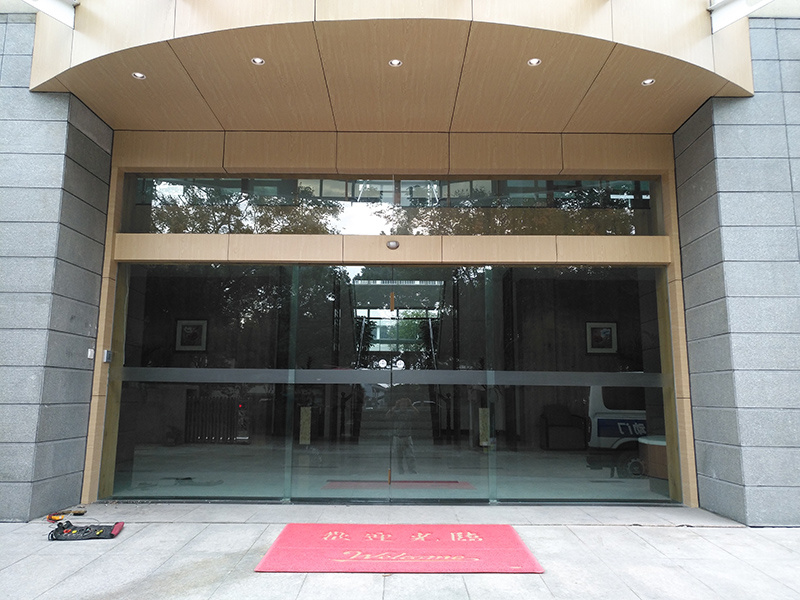
The automatic doors in Ningbo have the following advantages compared to ordinary automatic doors:
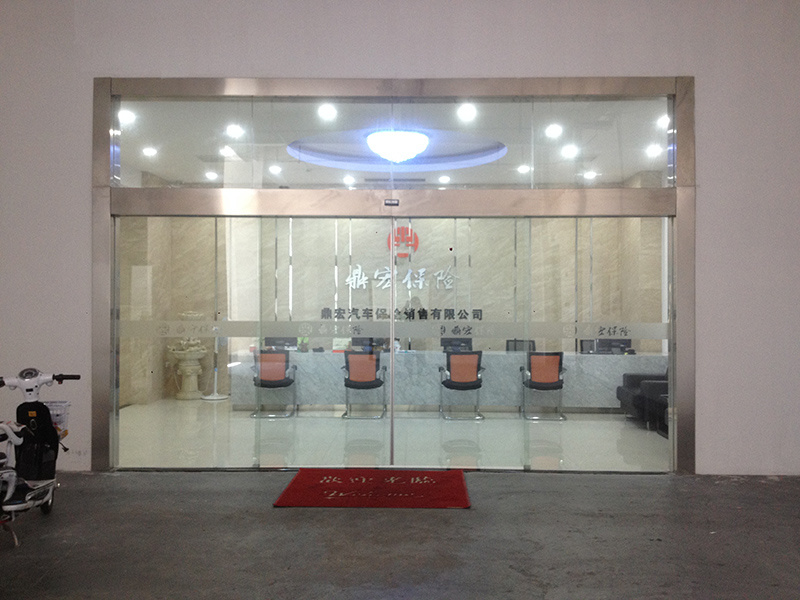
The medical doors in Ningbo have the following advantages:
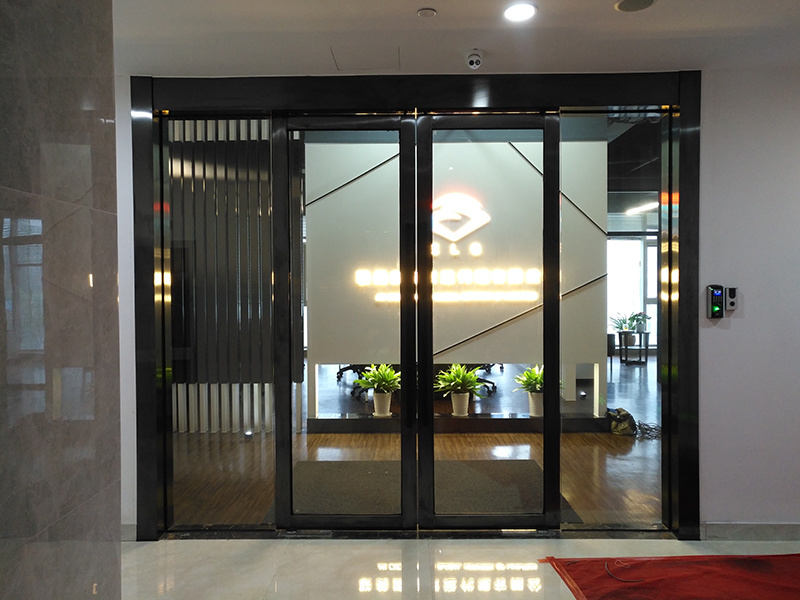
Automatic doors are a type of door that is opened and closed by a motor, which is driven and controlled. They can automatically open or close when sensing a signal or based on a preset time. The main types of automatic doors include:
MESSAGE
Please fill in the correct contact information so that we can contact you in time!
(* is required)
With superb craftsmanship and years of installation experience, we customize and produce high quality air-tight door solutions for you, and a wealth of cost-effective products are available for you to choose from. Welcome to contact us!
Please enter your email address
So that we can inform you when we update!