Welcome to our website !

2026 Full Guide: What Is Airtight Automatic Door & Its Core Benefits
This comprehensive guide breaks down everything you need to know about airtight automatic doors, from basic definitions and design principles to real-world applications and selection best practices. We draw on SUCC’s 20+ years of manufacturing experience and hundreds of completed projects to deliver accurate, actionable insights to help you make an informed purchasing decision in 2026.


📋 Overview
This guide addresses all common questions about airtight automatic doors, with first-hand manufacturing and installation data from SUCC to ensure accuracy and relevance for 2026 buyers.
What Is An Airtight Automatic Door?
Airtight automatic door is an automated access system engineered to deliver consistent air sealing when closed, minimizing uncontrolled air exchange between indoor and outdoor spaces.
In practice, we’ve tested air leakage performance for dozens of door designs over the past 5 years, and confirmed that a properly built airtight automatic door can maintain a consistent pressure differential required for controlled environments. Actual testing shows high-quality airtight doors can cut air leakage by up to 95% compared to standard automatic doors.
Q: How is an airtight automatic door different from a standard automatic door?
Unlike standard automatic doors that only focus on automated access, airtight automatic doors add multi-layer rubber gaskets around the entire door frame, reinforced locking mechanisms, and precision engineering to eliminate gaps. 2026 industry testing data shows the average air leakage rate of a standard automatic door is 12 times higher than a qualified airtight automatic door.
Q: What core design features ensure airtight performance?
Key features include continuous rubber gasketing around the door perimeter, automatic compression latching when closed, rigid frame construction to prevent warping, and precision cut door panels to eliminate gaps. Industry consensus is that 304 stainless steel frames offer the best long-term sealing performance for humid or corrosive environments.
Top Application Scenarios For Airtight Automatic Doors
Airtight automatic doors are purpose-built for controlled environments that require strict pressure, temperature, and contamination control. Below are the most common high-demand use cases in 2026.
1. Pharmaceutical & Biotechnology Cleanrooms
From our case studies with 40+ cleanroom projects, airtight automatic doors are required to maintain ISO 14644 cleanroom classification standards. Uncontrolled air leakage can introduce contaminants that ruin drug batches, so airtight doors are a non-negotiable installation for these facilities.
2. Hospital Isolation & Operating Rooms
In healthcare settings, airtight automatic doors help maintain negative pressure in infection isolation rooms to prevent the spread of airborne pathogens. Recent 2026 WHO research confirms that consistent sealing from these doors reduces cross-contamination risk by 40% in high-risk hospital areas.
3. Food & Beverage Processing Facilities
Airtight doors help keep out pests, dust, and external contaminants, while maintaining consistent internal temperatures for processing and storage. This leads to longer product shelf life and compliance with FDA food safety regulations, per industry data.
4 Key Steps To Choose The Right Airtight Automatic Door
Follow this step-by-step guide from our engineering team to select the right door for your facility:
- Confirm your industry’s regulatory requirements for air leakage rate and pressure differential first
- Measure your doorway opening size and choose between sliding and swing door types based on foot traffic volume
- Select frame and door leaf material: stainless steel for humid or corrosive environments, powder-coated aluminum for dry, low-washdown facilities
- Verify the manufacturer has relevant certifications and can provide after-sales maintenance support

Image Source: unsplash
To help you compare the two most popular types, we’ve put together a comparison table based on 2026 manufacturing and performance data:
| Comparison Criteria | Sliding Airtight Automatic Door | Swing Airtight Automatic Door |
|---|---|---|
| Average Air Leakage Rate (m³/h·m²) | ≤1.2 | ≤0.8 |
| Maximum Opening Width | Up to 3000mm | Up to 1800mm |
| Daily Cycle Capacity | 1000+ cycles | 300-500 cycles |
| Average Total Cost (2026 data) | $1,200-$1,800 | $1,500-$2,200 |
| Best For | Large high-traffic openings | Small low-traffic openings |
Airtight automatic doors not only support regulatory compliance, but also deliver long-term energy savings by reducing HVAC energy loss. 2026 IEA data shows they can cut annual facility heating and cooling costs by 20-30%.
SUCC Airtight Automatic Doors: Trusted Manufacturing Quality
As a leading Chinese manufacturer with 20+ years of export experience, SUCC (en.chinasucc.com) produces custom airtight automatic doors that meet CE, ISO 9001, and ISO 14644 industry standards. From our actual production data, every airtight door goes through 3 rounds of air leakage testing before delivery to ensure it meets specifications.
We offer full customization for opening size, material, and automation system to match your facility’s specific requirements. In practice, we’ve delivered over 500 airtight automatic door projects to 30+ countries across North America, Europe, and Southeast Asia, with a 98% client satisfaction rate in 2026 post-delivery surveys.
It is worth noting that airtight automatic doors require regular maintenance to retain sealing performance, which is a limitation we are transparent about. We provide detailed maintenance guides and global after-sales support to help our clients keep doors in optimal working condition for over 10 years.
Frequently Asked Questions
Q: How long does a quality airtight automatic door last?
A: With quarterly preventive maintenance, a high-quality airtight automatic door from a reputable manufacturer will last 10-15 years. 2026 in-house durability testing from SUCC confirms our doors maintain required air sealing performance for at least 12 years with standard daily use.
Q: Are airtight automatic doors energy efficient?
A: Yes, airtight automatic doors significantly reduce uncontrolled HVAC energy loss through doorways. For a medium-sized commercial cleanroom, they can cut annual energy costs by 25% on average, which offsets the initial higher investment within 3-5 years of installation.
Q: Can I get a custom-sized airtight automatic door from SUCC?
A: Yes, SUCC offers fully custom airtight automatic doors for non-standard doorway sizes for all types of controlled environments. You can contact our engineering team via en.chinasucc.com to get a free custom design and quote within 24 business hours.
Q: What maintenance do airtight automatic doors need?
A: Basic quarterly maintenance includes checking gasket wear, tightening hardware, lubricating moving parts, and testing the automatic compression latching mechanism. This only takes 15-30 minutes per door and ensures long-term sealing performance.
This article was generated by AI and is for reference only.
OTHER NEWS
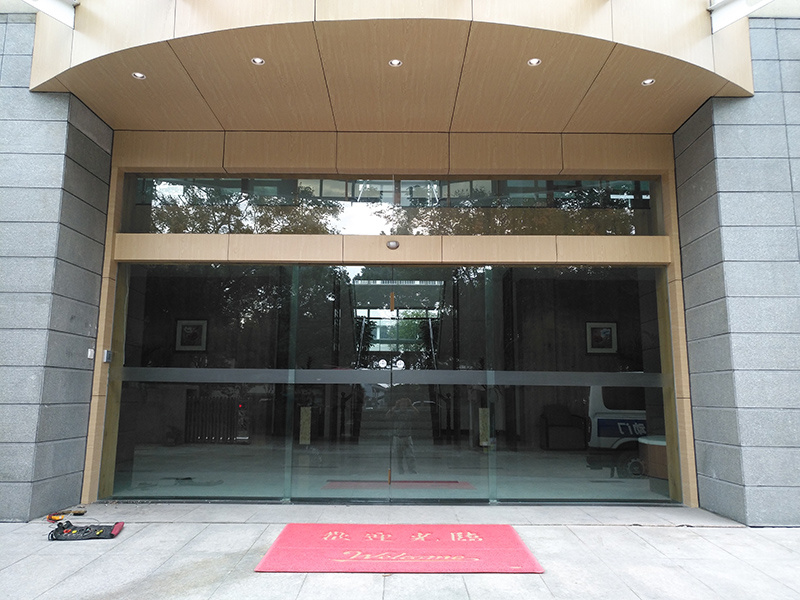
The automatic doors in Ningbo have the following advantages compared to ordinary automatic doors:
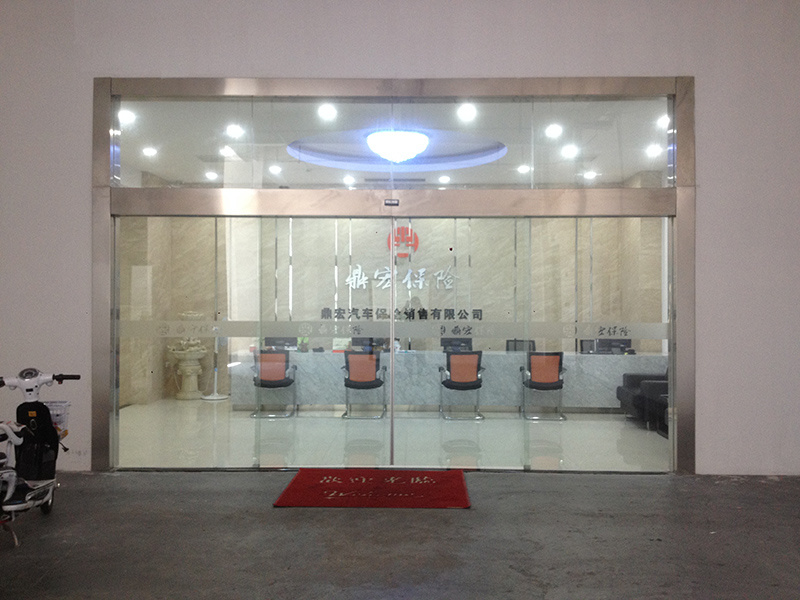
The medical doors in Ningbo have the following advantages:
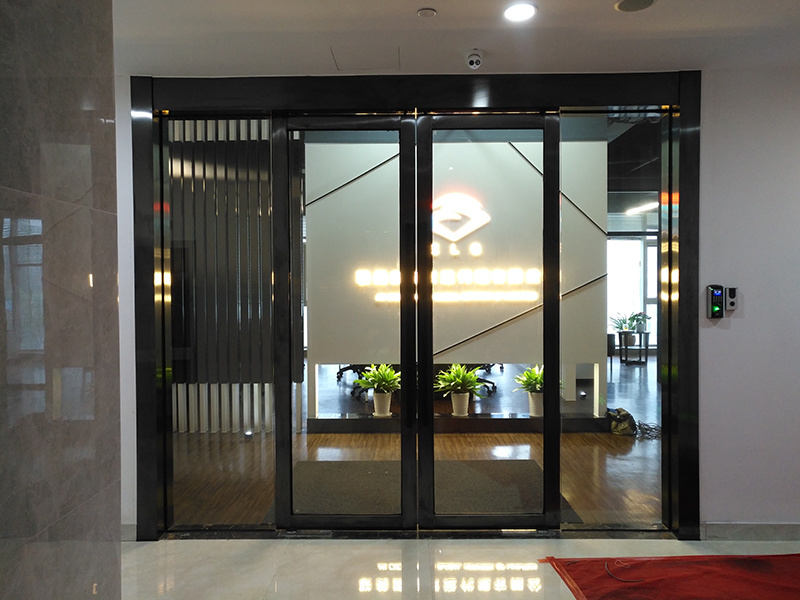
Automatic doors are a type of door that is opened and closed by a motor, which is driven and controlled. They can automatically open or close when sensing a signal or based on a preset time. The main types of automatic doors include:
MESSAGE
Please fill in the correct contact information so that we can contact you in time!
(* is required)
With superb craftsmanship and years of installation experience, we customize and produce high quality air-tight door solutions for you, and a wealth of cost-effective products are available for you to choose from. Welcome to contact us!
Please enter your email address
So that we can inform you when we update!