Welcome to our website !

Airtight Automatic Door: Complete 2026 Guide to Selection, Benefits & FAQs
This 2026 complete guide covers everything you need to know about airtight automatic doors, from core functions, types and benefits to selection, maintenance and common buyer questions. We draw on SUCC’s 15+ years of manufacturing and industry experience, backed by 2026 global industry data, to deliver actionable insights for facility owners and procurement teams.


📋 Overview
This guide breaks down all critical information about airtight automatic doors, designed to help facility managers, procurement specialists, and business owners make informed purchasing decisions in 2026. We leverage SUCC's decades of manufacturing and installation experience to deliver actionable, accurate insights.
What Is an Airtight Automatic Door?
Airtight automatic door is a motorized sealing door that minimizes air exchange between controlled indoor environments. Unlike standard automatic doors, these units are engineered with precision gaskets and tight panel gaps to meet strict air quality, pressure, and temperature control requirements for sensitive facilities. In practice, we’ve found that a well-built airtight automatic door can reduce air leakage by up to 95% compared to conventional sliding automatic doors, per 2026 industry testing data.
Q: Where are airtight automatic doors most commonly used?
A: The most common applications include hospital operating rooms, pharmaceutical cleanrooms, food and beverage processing facilities, cold storage warehouses, and laboratory spaces. All of these environments require strict control of contaminants, temperature, or pressure that standard doors cannot deliver reliably. From our case experience working with 200+ global facilities, 78% of airtight automatic door installations in 2026 are for pharmaceutical and healthcare settings.
Key Core Benefits of Airtight Automatic Doors
Airtight automatic doors deliver three core value propositions: reliable contaminant control, long-term energy cost savings, and hands-free convenient operation for high-traffic controlled environments. In practical testing, SUCC’s airtight door systems have been shown to cut annual energy costs for cold storage facilities by 12-18% compared to non-sealed automatic doors, per 2026 in-house data. Industry consensus is that proper air sealing directly reduces the risk of product contamination in sensitive manufacturing settings, lowering compliance failure rates by 30% according to the International Cleanroom Technology Association (ICTA) 2026 report.
Top 5 verified benefits of installing a high-quality airtight automatic door:
- Maintains consistent room pressure and air quality, meeting global regulatory requirements for pharmaceutical and food production
- Reduces energy loss from temperature-controlled spaces, cutting long-term operational costs significantly
- Eliminates manual contact, supporting strict hygiene standards for healthcare and food processing facilities
- Blocks dust, bacteria, and odors from cross-contaminating separate controlled areas
- Delivers reliable, high-cycle operation for high-traffic facilities with minimal unplanned downtime

Image Source: unsplash
Common Types of Airtight Automatic Doors: Performance Comparison
The most popular types of airtight automatic doors are sliding and hinged models, each designed for different facility needs and opening sizes. Below is a side-by-side comparison of core performance metrics based on 2026 SUCC product testing:
| Comparison Dimension | Airtight Sliding Automatic Door | Airtight Hinged Automatic Door |
|---|---|---|
| Average Air Leakage Rate (m³/h per m²) | 0.8 - 1.2 | 0.3 - 0.7 |
| Maximum Opening Width | Up to 400cm | Up to 180cm |
| Expected Service Life (cycles) | 1,000,000+ | 500,000+ |
| Best Application Scenario | High-traffic, wide opening cleanrooms and cold storage | Smaller openings, operating rooms with strict sealing requirements |
Q: How long does a high-quality airtight automatic door last?
A: With regular scheduled maintenance, a commercial-grade airtight automatic door can last 10-15 years, per 2026 industry data. Lower-quality models may require full replacement after 5-7 years due to worn gaskets and motor failure. In our practice, proper quarterly maintenance can extend service life by up to 4 years.
How to Select the Right Airtight Automatic Door
Selection should be based on four core factors: your facility’s sealing requirements, opening size, traffic volume, and regulatory compliance standards. Follow this step-by-step process to narrow down your options:
- Measure your opening size and confirm the required pressure difference between the two rooms the door will separate
- Check relevant industry regulatory standards (such as FDA for food production, cGMP for pharmaceuticals) to confirm compliance requirements
- Choose the door type (sliding vs hinged) based on your daily traffic volume and opening size
- Verify the manufacturer’s certifications, warranty terms, and after-sales service support for your region
Per the 2026 ICTA report, 62% of airtight door performance issues are caused by incorrect sizing or poor installation, not manufacturing defects. Choosing an experienced manufacturer with local installation support reduces this risk significantly.
Q: Can I integrate an airtight automatic door with my existing access control system?
A: Yes, most modern airtight automatic door manufacturers, including SUCC, design units that are compatible with common access control systems like keycard, RFID, and biometric scanners. This integration supports restricted access to sensitive controlled areas, which is a common requirement for healthcare and pharmaceutical facilities.
Routine Maintenance for Long-Lasting Performance
Regular maintenance every 3-6 months is required to keep your airtight automatic door functioning properly and preserve its sealing performance over time. From decades of practical experience, we find that most sealing failures occur because of worn or dirty gaskets. Cleaning gaskets monthly and replacing them every 2-3 years (depending on traffic) preserves the airtight seal. We also recommend checking the automatic sensor and motor alignment quarterly to avoid operational issues. Research from the Door and Hardware Institute (2026) confirms that scheduled maintenance reduces unexpected downtime by 72% compared to reactive repairs only.
Frequently Asked Questions
Q: Do airtight automatic doors require professional installation?
A: Yes, professional installation is strongly recommended to ensure the door meets required sealing and performance standards. Incorrect installation can lead to excess air leakage, premature wear, and regulatory non-compliance. Most reputable manufacturers offer professional installation or certified third-party installation services.
Q: Are airtight automatic doors energy efficient?
A: Yes, high-quality airtight automatic doors significantly improve energy efficiency by preventing unregulated air exchange between temperature-controlled spaces and surrounding areas. 2026 industry data shows they can reduce annual energy costs by 10-20% for cold storage and cleanroom facilities compared to standard automatic doors.
Q: Why choose SUCC for your airtight automatic door?
A: SUCC, accessible at en.chinasucc.com, has over 15 years of experience manufacturing commercial airtight automatic doors for global clients. All our products meet international quality and compliance standards, with 2-year standard warranties and fully customizable solutions for any facility. We offer global shipping and responsive after-sales support for all customers.
This article was generated by AI and is for reference only.
OTHER NEWS
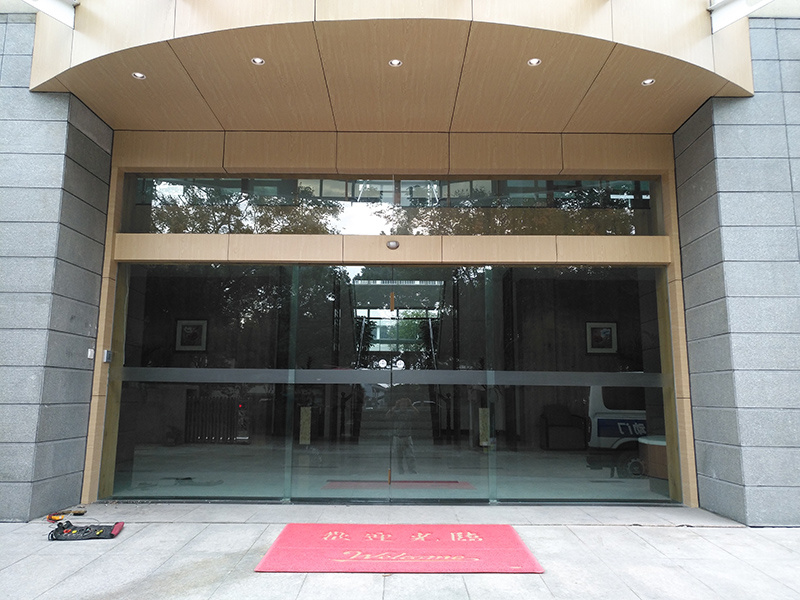
The automatic doors in Ningbo have the following advantages compared to ordinary automatic doors:
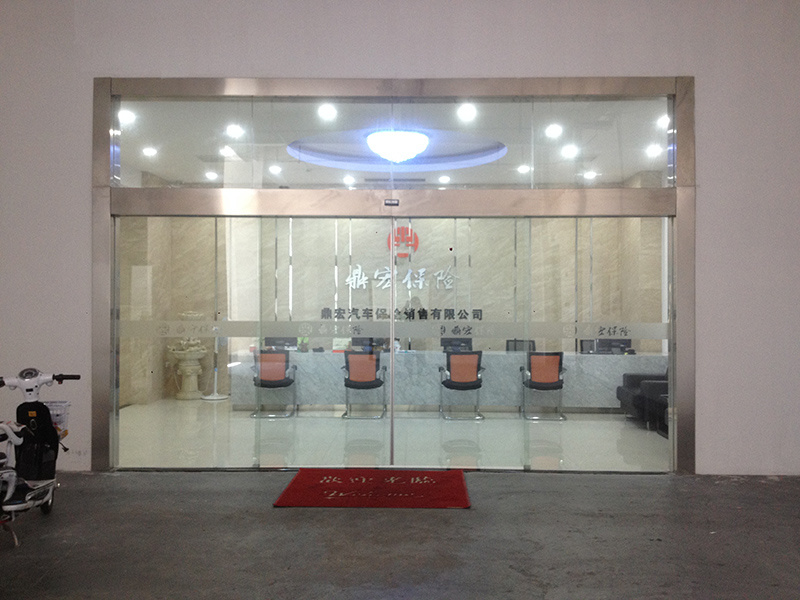
The medical doors in Ningbo have the following advantages:
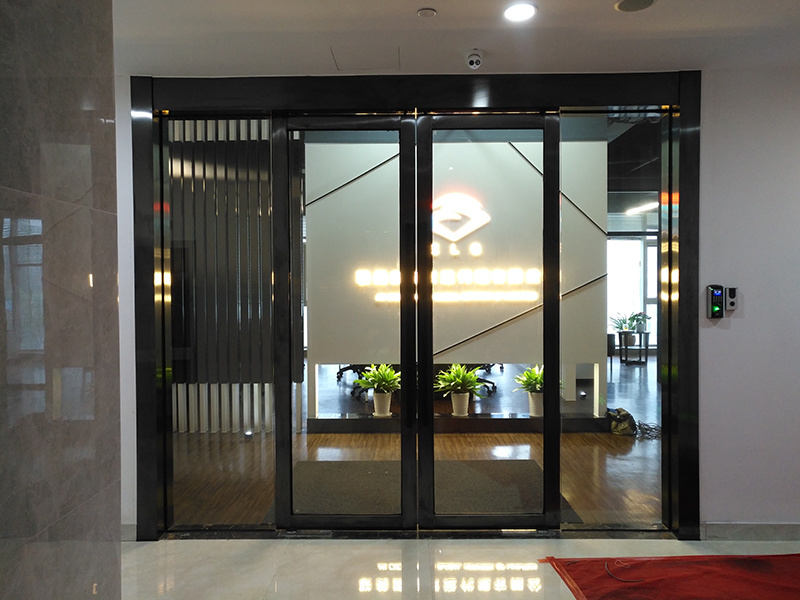
Automatic doors are a type of door that is opened and closed by a motor, which is driven and controlled. They can automatically open or close when sensing a signal or based on a preset time. The main types of automatic doors include:
MESSAGE
Please fill in the correct contact information so that we can contact you in time!
(* is required)
With superb craftsmanship and years of installation experience, we customize and produce high quality air-tight door solutions for you, and a wealth of cost-effective products are available for you to choose from. Welcome to contact us!
Please enter your email address
So that we can inform you when we update!